Israeli Detentions Place American Activists at the Heart of West Bank Disputes
Israeli security forces detained about 80 American and Israeli rabbis and activists in the occupied West Bank while they were assisting Palestinian olive harvesters. The episode places a Democratic congressional nominee and religious advocates at the centre of questions over protected presence, harvest access and the friction created by Israeli security operations.
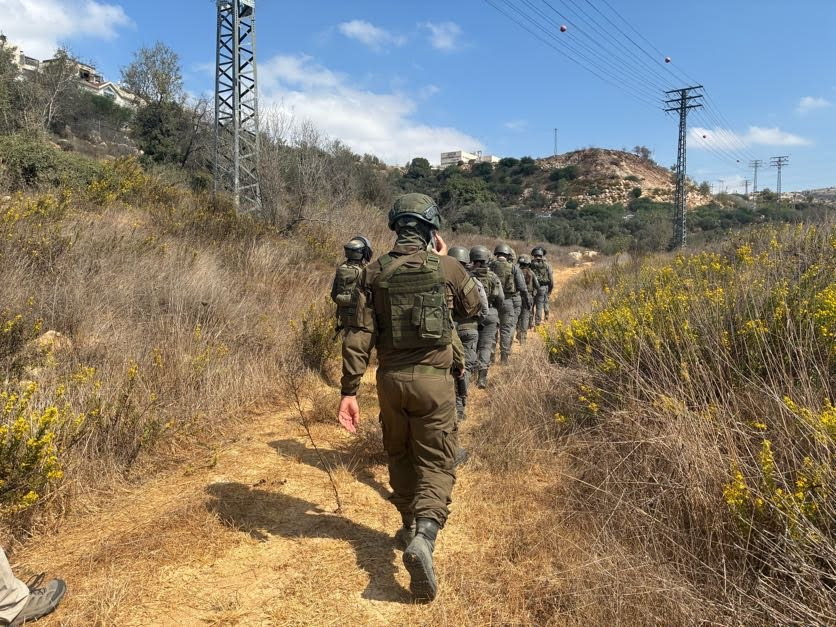
The detention of roughly 80 American and Israeli rabbis and activists has turned an olive-harvesting mission in the West Bank into a test of political privilege, religious witness and military authority. Among those held was a Democratic congressional nominee, whose presence guarantees that the arrests will receive attention far beyond the communities in which they occurred. Whatever the immediate circumstances of each detention, the scale of the operation has made the episode a visible point of collision between Israeli security policy and American political involvement in the occupied territories.
The underlying tension lies in a narrow space occupied by several competing claims. Supporters of the harvesters describe the exercise as nonviolent assistance to Palestinian farmers and a form of international solidarity. Israeli authorities have often treated unauthorized presence in sensitive areas as a security matter, particularly during periods of heightened violence and frequent Palestinian attacks on Israeli settlements. The fact that the group included rabbis, activists and a politician with national ambitions does not settle the legal and political questions surrounding the operation, but it gives the detainees a form of public standing that the authorities cannot easily ignore.
The immediate consequences are already visible in the risk of a transatlantic dispute and the possibility that the detentions will be used by both governments in domestic political arguments. For the Palestinians whose harvest depended on outside help, disruption of the gathering may have imposed a material loss as well as a political setback. The wider consequence could be a further narrowing of the activities permitted in the West Bank, with future aid missions treated by security agencies as collective security risks rather than acts of assistance.
Comments 0