Israel's Coalition Crisis: Eisenkot's Struggle For Majority
Gadi Eisenkot faces a daunting challenge in forming a stable government after Israel's recent elections, as his coalition lacks the necessary seats for a majority. The political impasse raises the specter of a Netanyahu comeback, potentially reshaping the country's domestic and foreign policy trajectories.
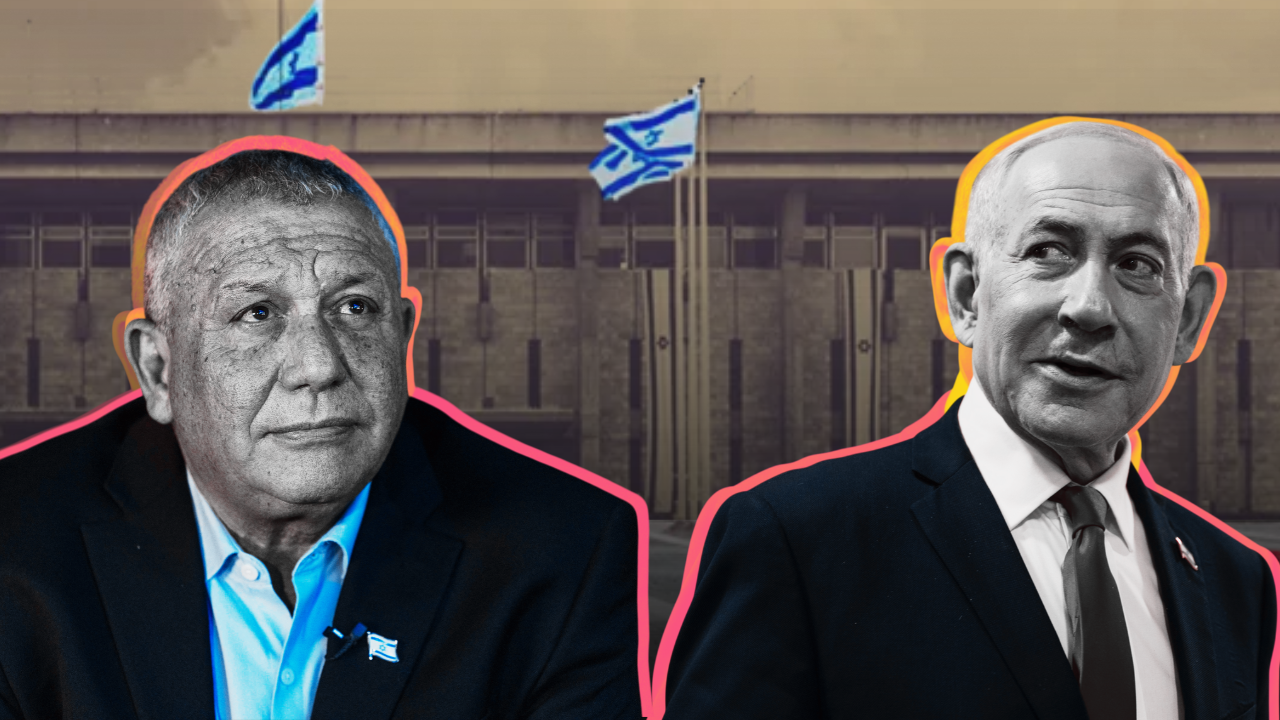
The concrete rupture in Israeli politics is the inability of Gadi Eisenkot to secure a stable majority for his coalition, a failure that threatens to plunge the nation into further political uncertainty. Despite his efforts to build a broad-based alliance, Eisenkot's camp remains short of the required seats, leaving the door open for Benjamin Netanyahu to stage a comeback. This impasse is not merely a procedural hurdle but a reflection of the deep ideological divides within Israeli society, which have made coalition-building increasingly difficult. The potential return of Netanyahu would mark a significant shift in the country's political , with profound implications for its relationships with neighboring states and international partners.
The underlying tension in this political crisis stems from the fragmented nature of the Israeli electorate, where no single party or bloc commands a decisive majority. The recent elections have further exacerbated this fragmentation, with voters splitting their support among multiple parties based on specific policy issues rather than broad ideological alignment. This fragmentation has created a vacuum that Eisenkot is struggling to fill, as he attempts to bridge the gap between centrist and right-wing factions. The involvement of Arab parties and ultra-Orthodox groups in potential coalition negotiations adds another layer of complexity, as these parties have their own distinct agendas and demands.
The downstream consequences of a failed coalition attempt by Eisenkot would be far-reaching, affecting not only Israel's domestic stability but also its regional standing. A return to Netanyahu's leadership could lead to a hardening of Israel's stance on key issues, such as the Palestinian conflict and nuclear proliferation, potentially escalating tensions in the Middle East. For the international community, the political instability in Israel presents a challenge in maintaining diplomatic engagement and fostering peace efforts. The outcome of this political struggle will determine the direction of Israel's foreign policy and its role in the broader regional dynamics.
Comments 0