Jahangirpuri tops Delhi's PM 2.5 pollution chart
Jahangirpuri in North Delhi topped the city's PM2.5 pollution chart, revealing a severe air quality hotspot. The neighborhood's high particulate levels pose serious health risks to its largely low-income residents.
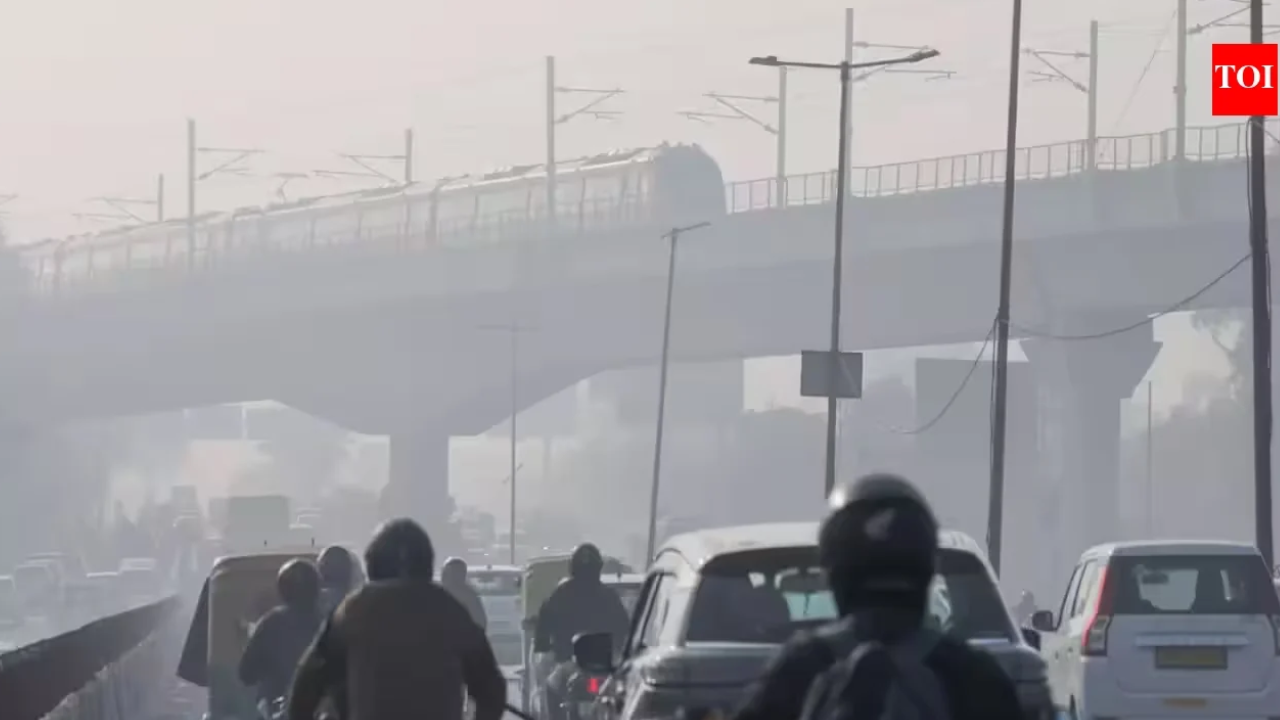
Recent air quality data shows that Jahangirpuri, a densely populated neighborhood in North Delhi, recorded the highest concentration of PM2.5 particles among all monitoring stations in the capital. The reading underscores a persistent pollution hotspot where fine particulate matter regularly exceeds safe limits set by national standards. Authorities attribute the spike to a mix of industrial emissions, vehicular traffic, and open waste burning in the area.
Residents of Jahangirpuri, many of whom belong to low-income groups, face heightened risks of respiratory and cardiovascular illnesses due to chronic exposure. The Delhi government has implemented graded response action plans during severe episodes, including restrictions on construction and truck entry, but localized enforcement remains uneven. Community groups have demanded more real-time monitoring and targeted mitigation measures such as green barriers and stricter industrial controls.
For readers in Delhi, the Jahangirpuri case illustrates how air pollution disproportionately affects marginalized neighborhoods that often lack political clout to demand cleaner air. The data also highlights the need for hyperlocal solutions alongside citywide policies like the odd-even vehicle scheme and electric bus adoption. Addressing this disparity is essential for achieving equitable health outcomes across the metropolis.
Comments 0