Jantar Mantar Erased: Delhi Redraws the Map of Dissent
The Delhi government has officially removed Jantar Mantar from the list of designated protest sites, replacing it with three peripheral locations that are geographically and logistically hostile to mass mobilization. This administrative move effectively silences the most visible platform for public dissent in the capital, signaling a tighter grip on civil liberties.
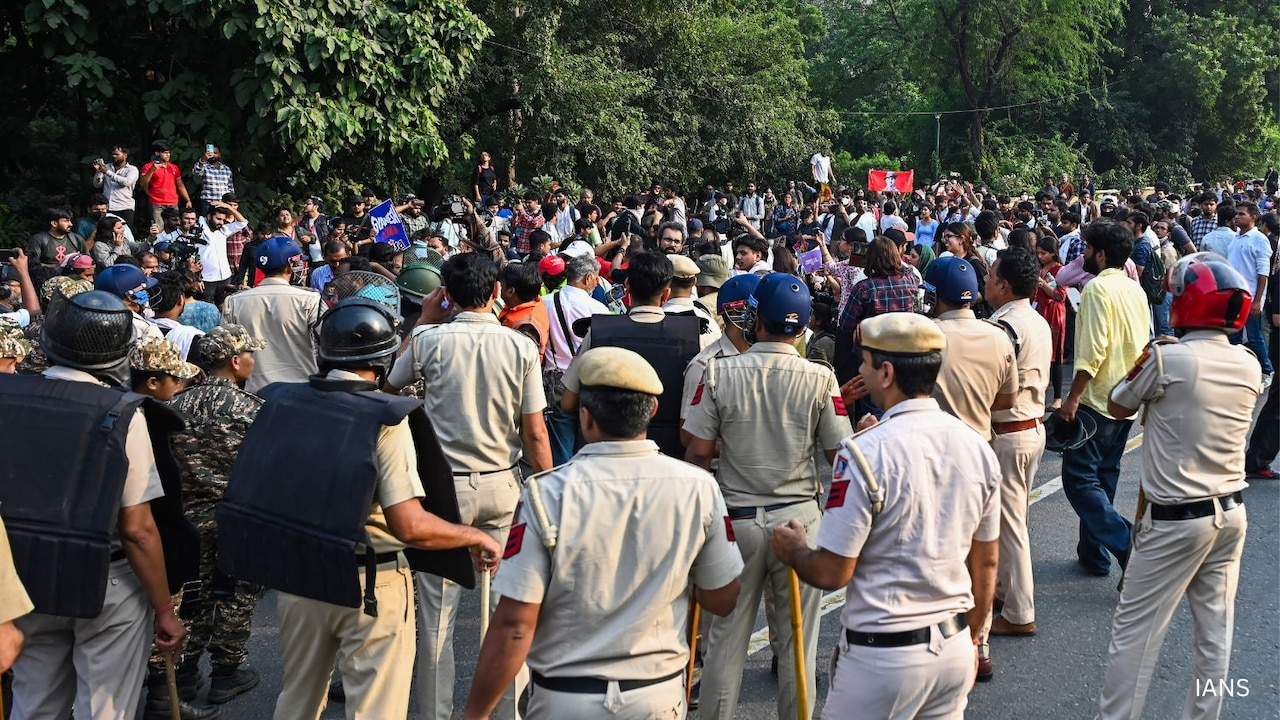
The concrete rupture in Delhi's civic space is the administrative denotification of Jantar Mantar as a protest venue. For decades, this iconic landmark has served as the primary stage for political dissent, labor strikes, and social movements. By shifting designated sites to Ram Lila Maidan, Burari Maidan, and CBD Ground, the government has imposed a spatial barrier that discourages large-scale gatherings. The new locations are either distant from the political core or subject to stricter security protocols, making it significantly harder for protesters to attract media attention and public sympathy.
The underlying tension reflects a broader strategy to manage the optics of dissent rather than engage with its substance. The Chief Justice's recent comments on law and order have emboldened the executive to tighten its control over public spaces. This move is not merely logistical but symbolic, aiming to delegitimize the protests by associating them with disorder rather than democratic expression. The friction between the state's desire for order and the citizens' right to assemble is now being resolved in favor of the former, with the administrative machinery acting as the enforcer.
The downstream casualties are the marginalized communities and political opposition groups who rely on Jantar Mantar to voice their grievances. By forcing protests to the periphery, the state reduces their visibility and impact, thereby weakening their bargaining power. This shift may lead to a fragmentation of the protest movement, with smaller, less organized groups struggling to maintain momentum. The tangible outcome is a quieter, more controlled public sphere where dissent is contained rather than confronted.
Comments 0