J&K High Court Mandates Tender Process for Municipal Contracts
The Jammu and Kashmir High Court ruled that municipal contracts cannot be awarded through private negotiation. This decision reinforces the constitutional obligation of local bodies to act fairly and transparently.
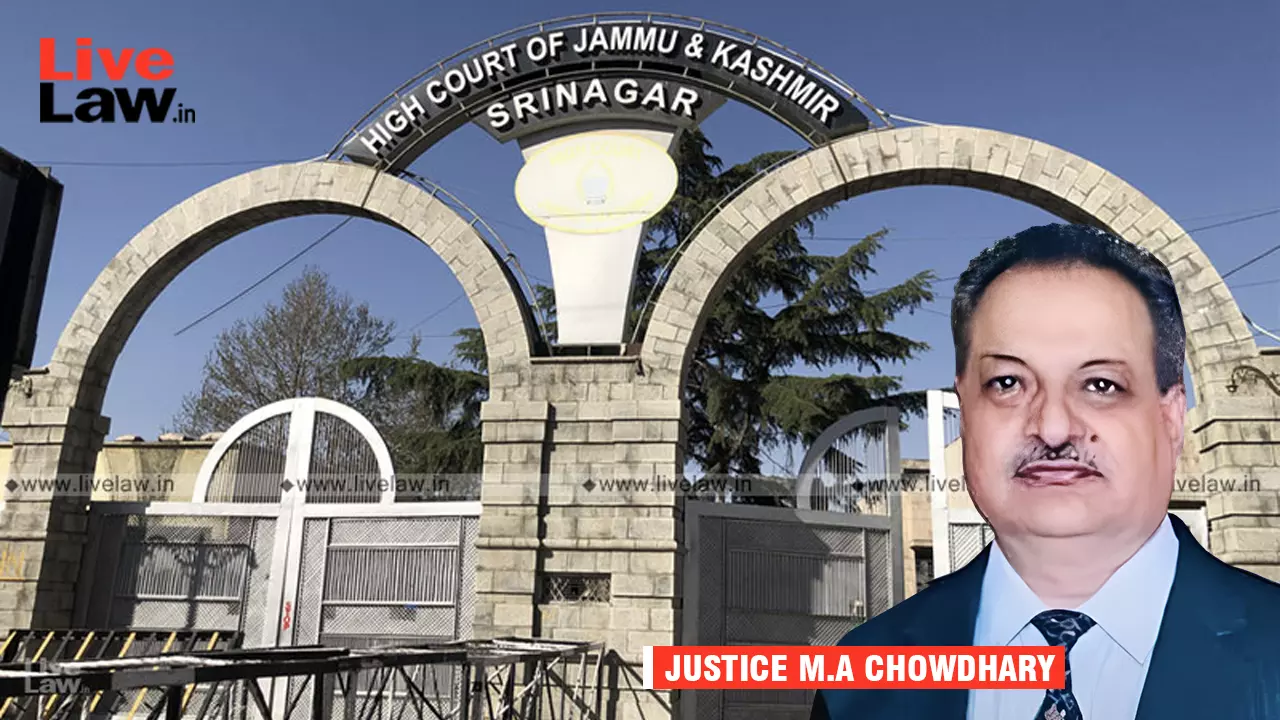
The concrete rupture in local governance in Jammu and Kashmir is the High Court's ruling that municipal contracts must be awarded through a tender process. This decision invalidates any practice of private negotiation for public contracts, ensuring that all bids are evaluated on a fair and transparent basis. The court emphasized that the municipal corporation is under a constitutional obligation to act fairly, which precludes the use of informal methods for awarding contracts.
The underlying tension in this issue is the potential for corruption and favoritism in the award of public contracts. Private negotiation can lead to opaque decision-making, where contracts are awarded to favored parties rather than the most qualified or cost-effective bidders. This institutional friction between the desire for efficiency and the need for transparency is a common challenge in public administration, particularly in regions with a history of political interference in local governance.
The downstream consequences of this ruling include a more competitive environment for municipal contracts, which can lead to better value for public funds. For local businesses, this means a level playing field where success is determined by the quality and cost of the bid rather than political connections. The tangible outcome is a strengthening of public trust in local institutions and a reduction in the risk of legal challenges to contract awards. This decision sets a precedent for other states to adopt similar strictures in their municipal governance.
Comments 0