J&K notifies private university rules, reserves 25% seats and jobs for locals
The administration of Jammu and Kashmir has notified new regulations governing private universities operating within the union territory. Under the new guidelines, private higher education institutions must reserve twenty-five percent of their student seats and staff positions for local residents.
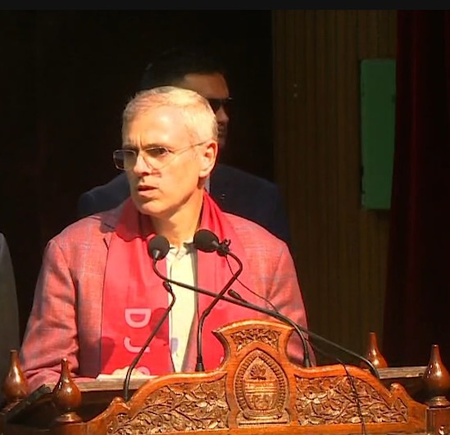
The administration of Jammu and Kashmir has officially notified new regulatory rules for private universities operating within the union territory. A central highlight of the newly issued framework is the mandatory reservation of twenty-five percent of total academic seats for local students. Furthermore, the policy mandates that private universities must reserve twenty-five percent of all employment opportunities, including faculty and administrative positions, for local residents. This regulatory measure aims to standardize private higher education standards while ensuring that regional populations gain direct educational and economic advantages from private institutional investments across the region.
The introduction of these structured rules marks a significant regulatory update for the higher education sector in Jammu and Kashmir. By establishing clear operational guidelines, the government seeks to attract reputable private educational institutions while protecting the interests of the local population. Private universities setting up campuses in the union territory will now need to align their admission procedures and recruitment practices with these statutory quotas. Advocates of the policy believe that reserving a quarter of seats and employment opportunities will enhance local skill development, reduce youth migration for higher education, and stimulate economic activity in surrounding local communities.
This policy framework matters to readers throughout India as it illustrates how local reservation policies are used to balance private investment with regional development goals. As union territories and states seek to expand higher education capacity through private partnerships, questions about local quotas and access remain central to policy discussions. For students and job seekers across India, understanding these regulatory requirements helps clarify admission pathways and employment eligibility in Jammu and Kashmir. The move reflects broader national efforts to build robust educational infrastructure in geographically sensitive areas while safeguarding local employment opportunities for resident populations.
Comments 0