Judicial Battle Erupts in Bombay High Court Over Official Office Imagery
The Malegaon deputy mayor has formally approached the Bombay High Court after being ordered to remove a portrait of historical figure Tipu Sultan from municipal chambers. The legal challenge forces the judiciary to adjudicate the contentious intersection of municipal protocol, historical memory, and majoritarian political pressure.
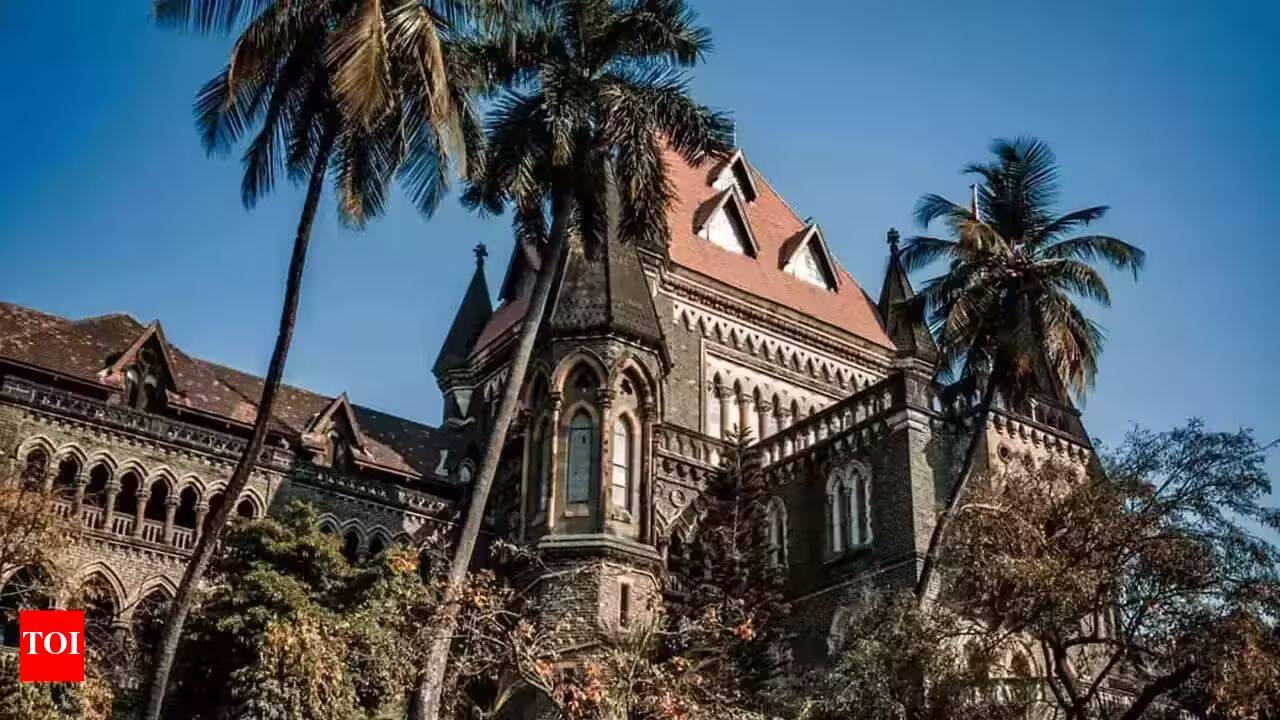
The controversy began when local administrative directives instructed elected representatives to strip their offices of specific historical displays, focusing particularly on depictions of eighteenth-century ruler Tipu Sultan. Supporters of the regional leader view him as a valiant anti-colonial fighter who resisted British expansionism with military brilliance. Conversely, critics weaponize alternative interpretations of his reign to inflame communal sensitivities, turning routine office decor into a flashpoint for sectarian polarization. Rather than complying with the administrative diktat, the Malegaon deputy mayor chose the path of direct legal confrontation by filing a writ petition in the Bombay High Court. This maneuver thrusts the judiciary into the uncomfortable role of arbiter over official symbolism, forcing judges to determine whether local administrators possess the legal authority to dictate the personal and historical preferences of elected officials. The case illuminates the fragility of local governance structures when municipal offices become extensions of broader cultural wars. The impending judicial ruling will establish a critical precedent for freedom of expression and administrative overreach within local government bodies across western India. A ruling in favor of the administration could embolden authorities to purge diverse historical iconography from public offices, while a favorable verdict for the petitioner would safeguard localized autonomy in political display. The dispute guarantees that historical figures will remain potent proxies for contemporary electoral mobilization.
Comments 0