Judicial Independence Under Scrutiny: Former Chief Justice Raises Alarms Over Supreme Court Bench Diversity
Former Supreme Court Justice Gavai has addressed a formal complaint to the President highlighting severe demographic imbalances in judicial appointments. The communication contends that a specific minority community comprising under five percent of the population has captured over forty percent of recent apex court seats, igniting a fierce debate over institutional representativeness.
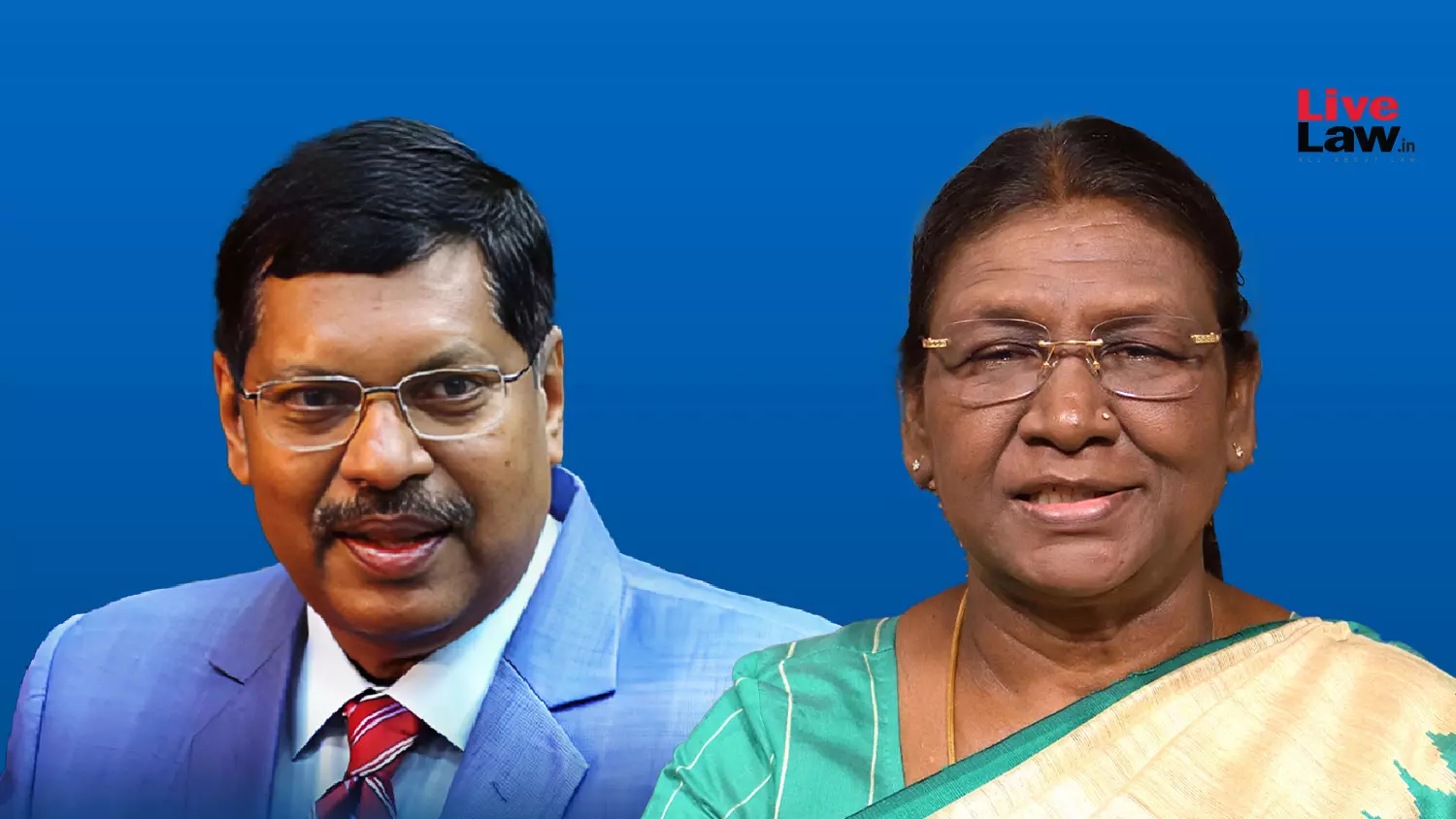
The intervention by the former senior jurist brings long-standing whispers within legal circles regarding collegium dynamics directly into the public domain. Judicial appointments in India have historically operated behind a veil of confidentiality managed by the collegium of senior judges. By formally registering a complaint with the highest constitutional authority, the former judge has challenged the institutional opacity that permits systemic skewing in favor of specific demographic cohorts during the selection of constitutional court arbiters.
The critique touches upon the delicate balance required in a pluralistic democracy where public trust in the judiciary relies heavily on the perceived impartiality and broad representation of the bench. Critics of the current appointment architecture argue that insular selection practices inevitably perpetuate networks of patronage and regional bias. Conversely, defenders of the collegium system maintain that merit and seniority must remain the sole criteria for elevation, warning that proportional demographic representation could compromise judicial independence and professional competence.
The downstream consequence of this public disclosure is an intensifying pressure on the current leadership of the judiciary to reform the memorandum of procedure governing appointments. While immediate structural overhauls remain unlikely without legislative intervention, the debate damages the institutional armor of the apex court, forcing transparent dialogues about diversity that the establishment can no longer ignore.
Comments 0