Judicial Parole Concludes as Controversial Cleric Returns to Haryana Custody
Self-styled religious figure Ram Rahim re-entered Sunaria jail following the expiration of a twenty-one-day furlough. The temporary release had reignited public debate regarding the administration of prison privileges for convicted felons.
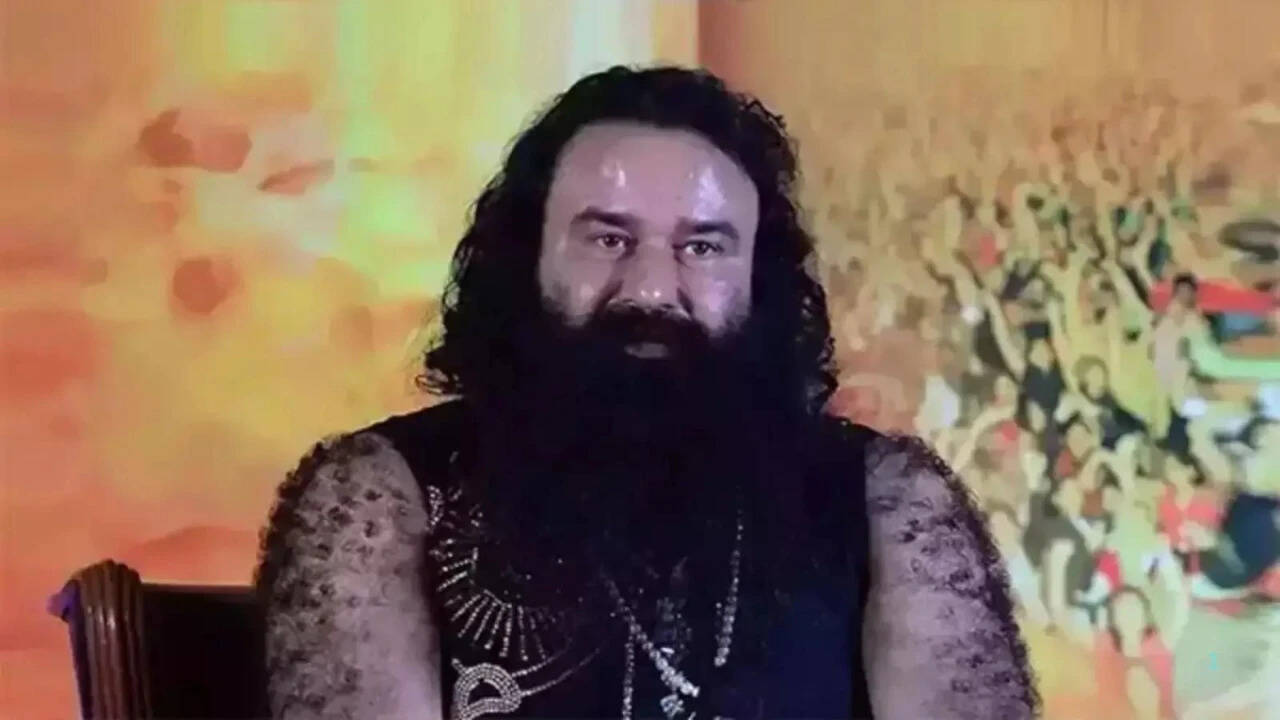
The routine return of the high-profile inmate to incarceration brings a temporary halt to a release cycle that consistently provokes public controversy and legal challenges. State correctional authorities defended the furlough as a standard administrative right available to long-term prisoners demonstrating good behavior, despite mounting public criticism from civic groups. The prisoner's movements continue to be managed under heavy security protocols to prevent large-scale gatherings of followers. This recurring pattern of temporary releases exposes persistent tensions between statutory prisoner rehabilitation provisions and public perception of judicial equity. Critics argue that frequent furloughs granted to individuals convicted of serious crimes undermine public faith in the penal system and pander to political constituencies. Conversely, state authorities maintain that denying statutory rights based on public notoriety would violate constitutional principles of due process. The immediate consequence is a momentary calming of regional political tensions that typically accompany the cleric's periods of freedom. Over the long term, the ongoing controversy fuels legislative proposals to amend parole guidelines for convicts serving sentences for heinous crimes. The episode remains a potent symbol of the uneasy intersection between religious influence and penal administration in northern states.
Comments 0