Judicial Reckoning in Lucknow as Constable Sentenced for Fatal Shooting
A decade-long legal battle concluded with the sentencing of a police constable to ten years in prison for the high-profile killing of executive Vivek Tiwari. The ruling serves as a rare rebuke of custodial violence and institutional impunity within northern India.
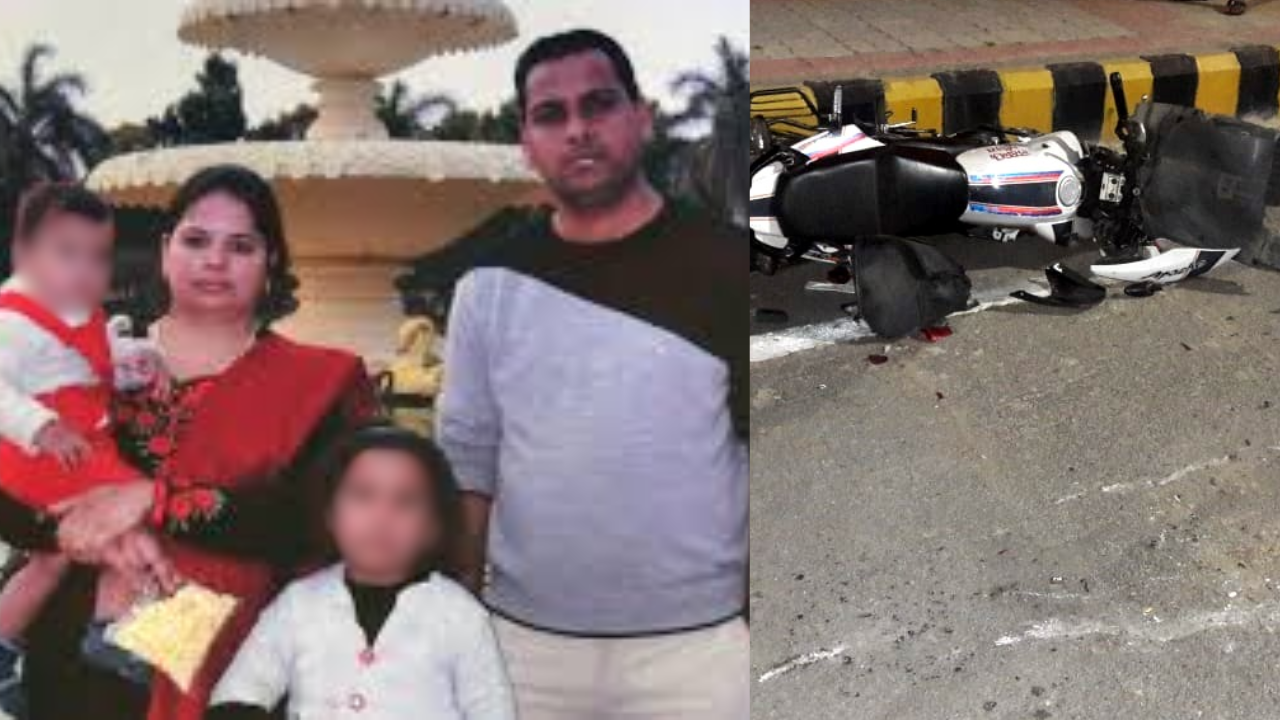
The sentencing of constable Prashant Chaudhary brings formal closure to a tragedy that exposed profound systemic rot inside the provincial police apparatus. In September 2018, Vivek Tiwari, an Apple executive, was shot dead in Lucknow after allegedly failing to stop his car for a routine police check. The incident triggered an immediate public outcry, stripping away the thin veneer of administrative calm and laying bare the dangerous latitude granted to armed enforcers operating under color of authority. Throughout the protracted trial, the defense leaned heavily upon the standard institutional reflex of shielding law enforcement personnel from criminal culpability. Prosecutors, however, methodically dismantled the narrative of self-defense, proving that the lethal force applied was entirely disproportionate and unprovoked. The courtroom proceedings highlighted the agonizing friction between civil rights advocates demanding accountability and a protective police union structure historically accustomed to internal absolution. This judicial outcome marks a notable inflection point for accountability within the state machinery, signaling to the rank and file that extrajudicial aggression carries severe penal consequences. Yet, the broader institutional rehabilitation of the department remains incomplete, as victims of state overreach continue to navigate immense bureaucratic resistance. The ten-year sentence offers a measure of delayed solace to the bereaved family while establishing a cautionary precedent for officers who confuse authority with absolute dominion.
Comments 0