Security Lapse Exposed as Undertrial Murdered Inside Delhi Rohini Prison
An undertrial prisoner was fatally stabbed in the neck by fellow inmates inside the high-security Rohini prison in the national capital. The brazen killing underscores persistent security failures, gang dominance, and structural overcrowding within the metropolitan correctional system.
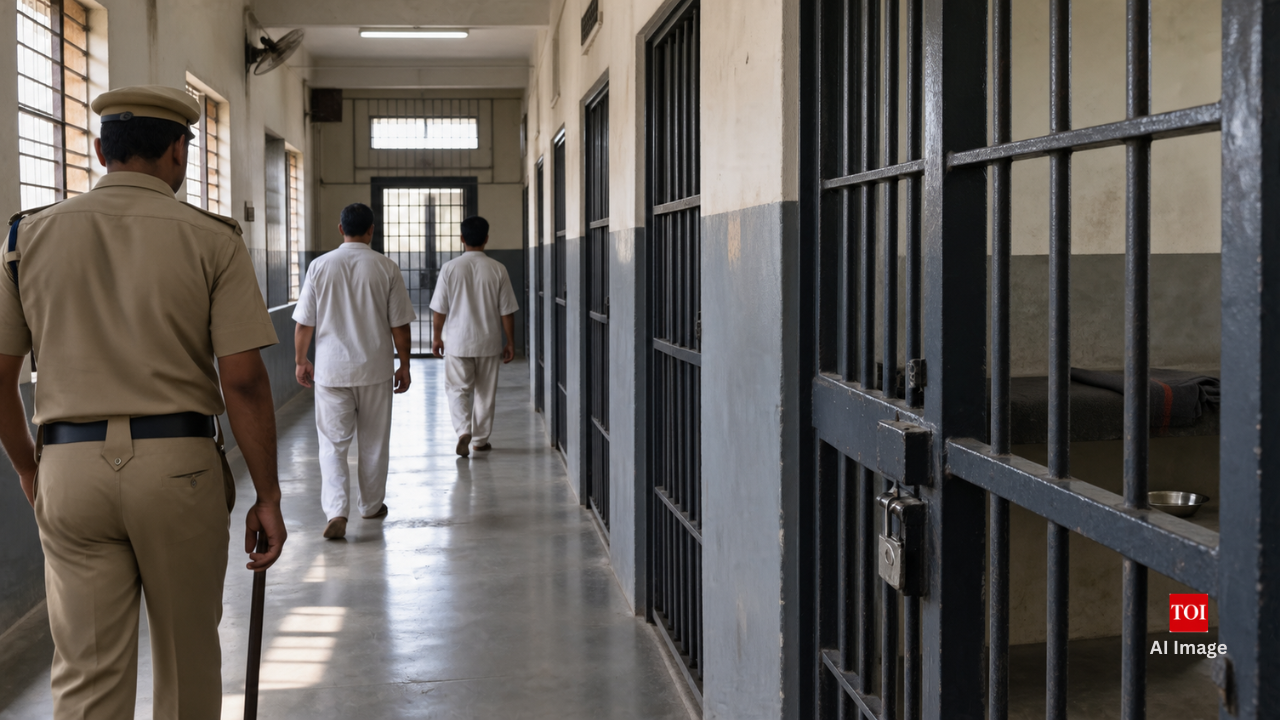
The violent interior of the capital's correctional facilities was laid bare once again following the targeted assassination of an undertrial inmate within the confines of Rohini jail. Preliminary investigations indicate that rival gang factions managed to weaponize improvised blades inside the cell blocks, executing the assault during a routine movement window. The incident shatters official claims of rigorous surveillance and shatters the presumed safety of individuals held within judicial custody. Prison administration officials face intense scrutiny over how lethal weapons and unauthorized contraband circulate freely among inmates despite multi-tiered security protocols. The episode illuminates the grim reality of Indian penitentiaries, where understaffed guard details frequently cede internal control to entrenched criminal syndicates operating extortion rings from behind bars. Judicial authorities have demanded an independent inquiry to fix responsibility for the monumental security lapse. The immediate consequence is a sweeping crackdown within the facility, resulting in solitary confinement measures and heightened tension across cell blocks. For the wider justice system, such incidents erode public confidence in the state's capacity to protect individuals awaiting trial. Unless structural reforms address staff corruption and severe overcrowding, correctional facilities will continue to function as finishing schools for organized crime.
Comments 0