Judicial Rejection of Karnataka Bike Taxi Ban Sets Precedent for Urban Transit
The Supreme Court dismissed the Karnataka government plea seeking to restore a total ban on bike taxis across the state. The bench observed that modern app-based mobility services provide enhanced safety features for young commuters, signaling a blow to restrictive state transport policies.
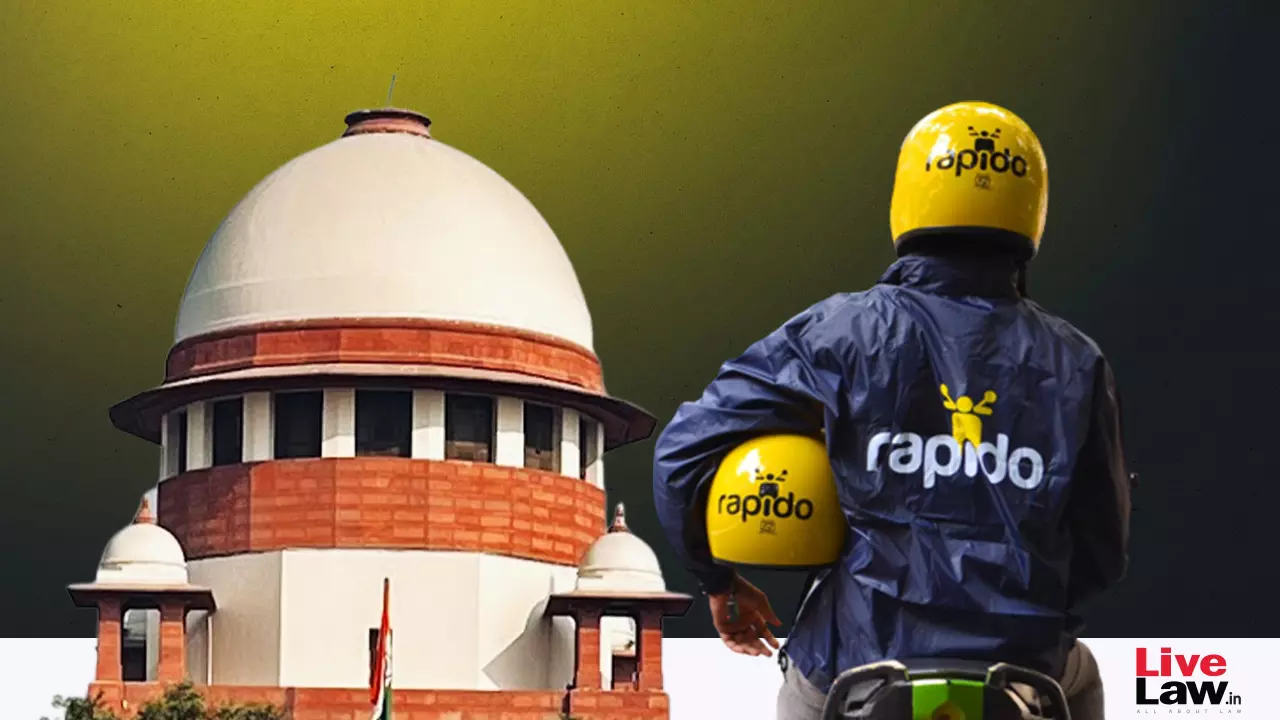
The legal confrontation reached its apex when the Supreme Court firmly refused to interfere with lower judicial directives permitting bike-taxis to operate in urban centers. The Karnataka administration had relentlessly pursued a prohibition, arguing that private two-wheeler aggregators operated outside conventional stage carriage definitions and violated regional transport regulations. Transport unions and auto-rickshaw associations had continuously lobbied the state government to crush the competing micro-mobility model, citing severe revenue losses and unregulated commercial usage of non-transport white-plate vehicles. However, the apex court bench adopted a pragmatic perspective on urban transit evolution, noting explicitly during the hearings that modern aggregators incorporate robust global positioning systems that offer superior security parameters for young female commuters navigating late-night metropolitan routes.
This judicial outcome creates immediate administrative friction between municipal authorities and digital mobility providers across southern metropolitan hubs. State transport departments have historically relied on rigid motor vehicle statutes drafted decades before the advent of smartphone-based platform economies. While aggregators like Rapido expanded rapidly, they constantly wrestled with arbitrary impoundments, police harassment, and sudden regulatory amendments designed to suffocate their operational margins. The Supreme Court ruling forces state apparatuses to abandon outright bans in favor of comprehensive framework formulation, compelling bureaucrats to engage directly with gig economy stakeholders rather than utilizing blunt administrative prohibitions to protect entrenched transport cartels.
Downstream casualties of this legal reality include traditional auto-rickshaw unions and municipal transport corporations that must now brace for permanent market erosion. Conversely, thousands of gig workers operating two-wheelers in Bengaluru and surrounding districts secure a protected legal livelihood, shielding them from sudden economic displacement. The broader systemic reverberation extends far beyond Karnataka, establishing a national legal baseline that favors technological integration in public mobility over protectionist municipal overreach.
Comments 0