Judicial Scrutiny Falls Upon State Prohibition as Apex Court Interrogates Social Policy
The Supreme Court of India has sharply questioned the efficacy and foundational logic of absolute alcohol prohibition laws. This judicial intervention threatens to unravel long-standing statutory restrictions across dry states, forcing administrations to defend enforcement mechanisms that have produced widespread illicit liquor markets.
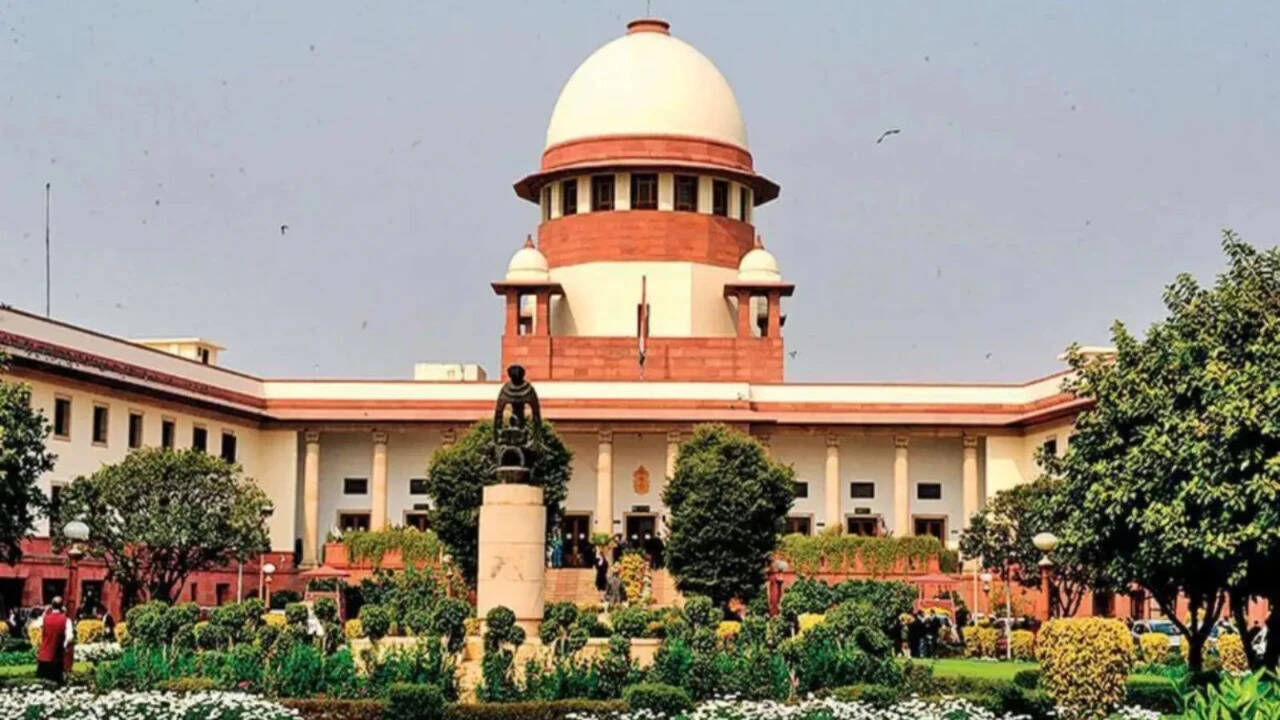
The highest court in the country has turned its analytical lens toward state-mandated prohibition, demanding comprehensive justifications for policies that restrict personal autonomy in the name of public morality. Bench inquiries specifically targeted five systemic consequences of total liquor bans, highlighting the unintended creation of underground distribution networks and the disproportionate criminalization of marginalized communities. Legal scholars note that this judicial posture signals a growing impatience with social legislation that fails empirical effectiveness tests while straining municipal law enforcement. At the center of this controversy lies a deep philosophical friction between directive principles of state policy and fundamental rights to personal liberty. State governments that champion prohibition argue that public health and social order outweigh individual consumer choice, relying on historical statutes designed to protect vulnerable households from financial ruin. Critics, however, present compelling evidence that dry laws have institutionalized corruption among local police forces and driven consumers toward toxic, unregulated brews that inflict severe public health catastrophes. The immediate consequence of these legal proceedings will likely force state legislatures to reevaluate enforcement expenditures and penal codes surrounding alcohol consumption. If the judiciary ultimately strikes down core provisions of these prohibition statutes, local treasuries accustomed to lost excise revenues must brace for complex policy reversals. Meanwhile, civil liberties advocates anticipate a major legal realignment regarding the boundaries of state intrusion into private habits.
Comments 0