Judicial Scrutiny Intensifies As Jammu And Kashmir High Court Upholds Unconditional Leave To Defend
The High Court protected a litigant's right to contest a multi-crore financial suit involving disputed land ownership. The ruling reinforces procedural fairness in commercial disputes where contractual instruments lack clear title verification.
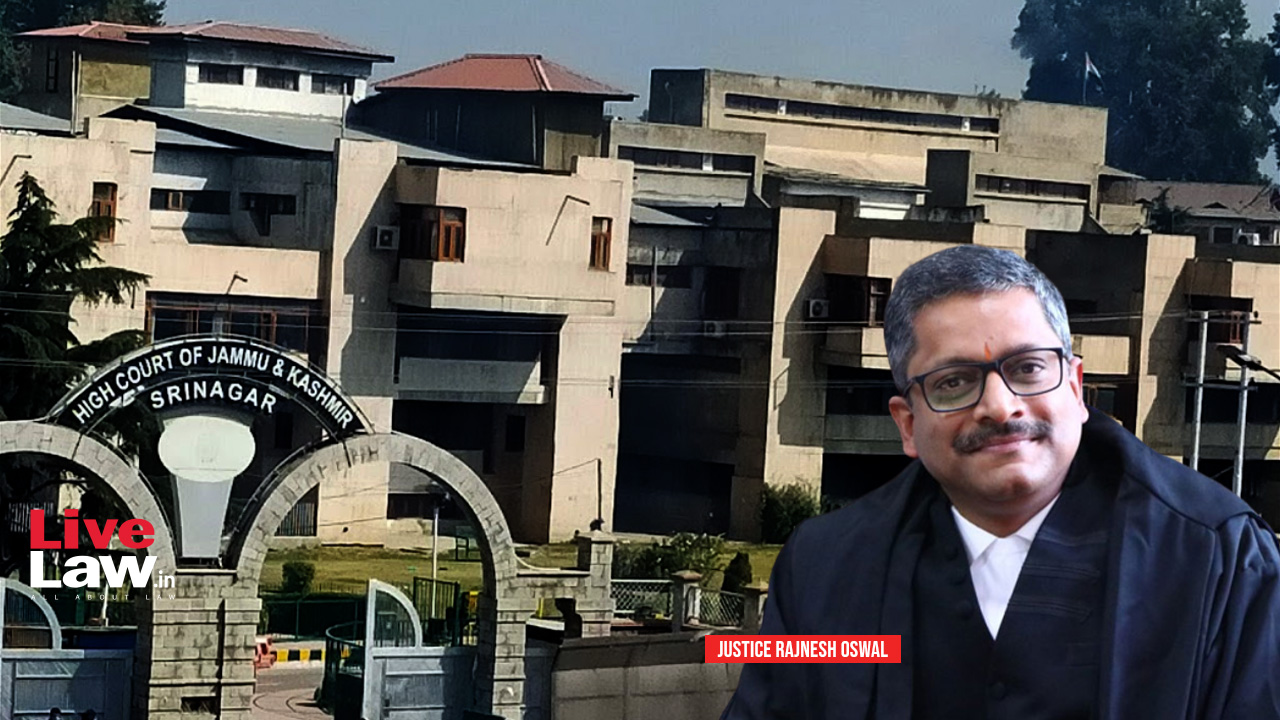
The legal architecture governing property transactions in northern India faced renewed examination as the Jammu and Kashmir and Ladakh High Court addressed a high-stakes financial dispute. At the center of the litigation was a multi-crore rupee commercial suit tied to dishonored cheques issued for a complex land transaction. The core controversy arose when the defendant challenged the underlying ownership claims of the property in question, arguing that the financial instruments were executed under clouded contractual assumptions regarding clear marketable titles.
In delivering its verdict, the judicial bench emphasized that summary procedures cannot be deployed to bypass substantial triable issues regarding property ownership and contractual good faith. The court upheld the lower directive granting unconditional leave to defend, noting that when foundational facts concerning asset ownership are genuinely contested, a full trial is indispensable. This perspective underscores the judiciary's caution against using negotiable instrument laws to enforce settlements where the legitimacy of the underlying property transfer remains legally ambiguous and contested by the parties involved.
Commercial actors and real estate developers across the region must now navigate a stricter evidentiary standard when executing high-value land acquisitions and issuing financial guarantees. The ruling acts as a protective shield for defendants facing aggressive debt recovery actions without corresponding proof of undisputed title conveyance. Consequently, institutional lenders and private investors will likely mandate more rigorous pre-transaction title due diligence to mitigate the risk of prolonged commercial litigation in appellate courts.
Comments 0