Karnataka High Court Quashes FIR Against BJP Leader Over Political Promises
The Karnataka High Court has quashed an FIR against a BJP leader for making political promises during a religious event, ruling that such statements do not constitute a criminal offense. The decision has sparked debate over the intersection of religion and politics, with critics arguing that it undermines the secular fabric of the state.
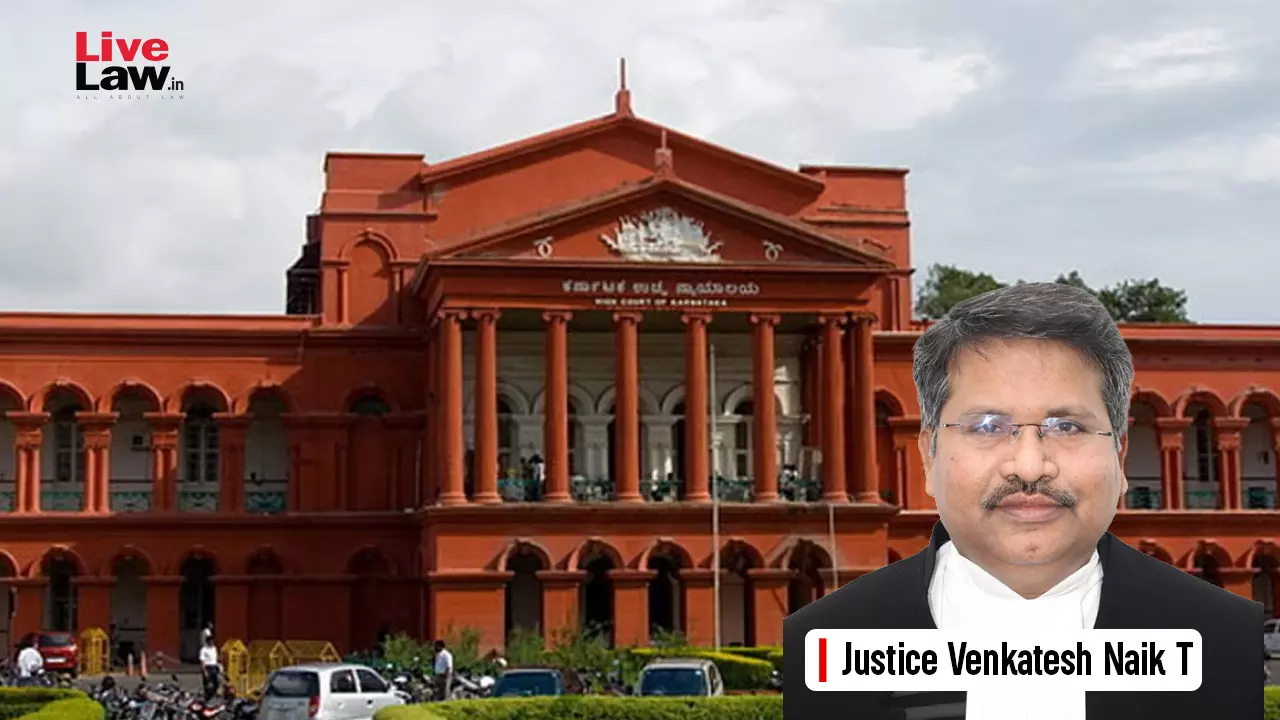
The legal and political in Karnataka has been altered by a High Court ruling that quashed an FIR against a BJP leader for making political promises during a religious event. This decision represents a concrete rupture in the ongoing debate over the role of religion in public life, with the court finding that the leader's statements did not amount to a criminal act. The immediate shockwave has been a surge in political activity, with the ruling seen as a victory for the party and a setback for those who advocate for a strict separation of religion and state. The decision has also raised questions about the limits of free speech in the context of religious gatherings.
The underlying tension in this case is the conflict between religious freedom and political neutrality. The court's ruling suggests that political speech in a religious context is protected, provided it does not incite violence or hatred. This institutional friction reflects the broader challenge of governing a diverse society where religion and politics are deeply intertwined. The decision highlights the need for clear guidelines on what constitutes acceptable political speech in religious settings, a task that is complicated by the lack of a uniform legal framework.
The downstream consequences of this ruling will be felt in the political arena, with a likely increase in the use of religious platforms for political mobilization. The decision may also embolden other political parties to make similar promises, leading to a further erosion of the secular space. The long-term impact will be a reshaping of the relationship between religion and politics in Karnataka, with significant implications for social harmony and democratic governance. The ruling serves as a reminder that the boundaries between the sacred and the political are not fixed, and that they are constantly being negotiated in the courts and in the public sphere.
Comments 0