Karnataka Orders All Government Schools to Adopt Bilingual Instruction by June
The state education department issued a directive that mandates bilingual teaching in every public school, aiming to improve language proficiency among students. Teachers and administrators are now scrambling to redesign curricula and secure qualified staff.
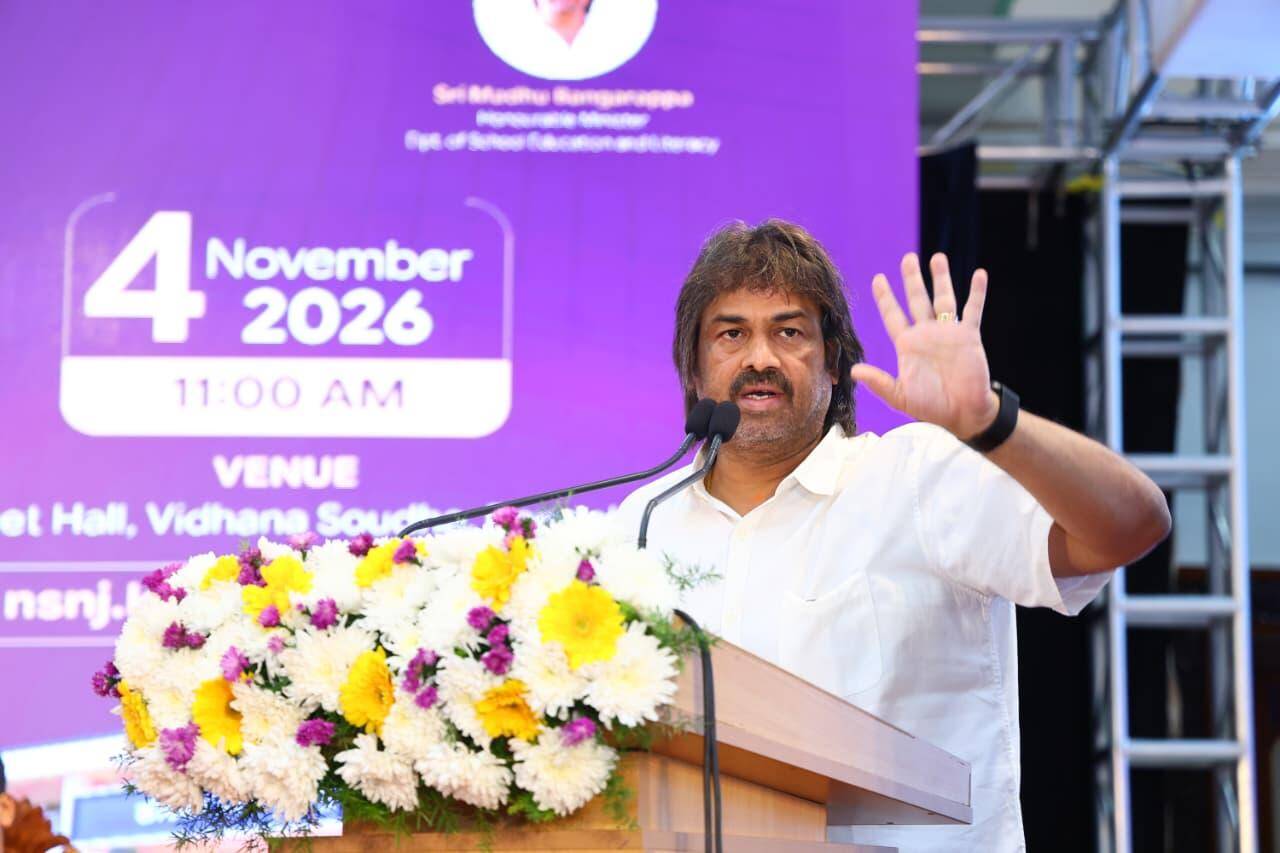
Karnataka's education ministry has set a deadline of June for the conversion of all government schools to a bilingual model, integrating both the regional language and English into daily instruction. The decision follows a series of consultations with language experts who argue that early exposure to a second language can enhance cognitive development and future employability. The policy outlines specific curriculum guidelines, assessment standards, and resource allocation plans to support the transition across urban and rural districts.
Implementation presents significant logistical challenges. Many schools lack sufficient numbers of teachers fluent in both languages, prompting the state to launch accelerated training programmes and recruitment drives. Additionally, the shift requires the procurement of bilingual textbooks and teaching aids, a process that has already strained the education budget. Parents and local education committees have expressed mixed reactions, with some praising the forward‑looking approach while others worry about the potential dilution of cultural and linguistic heritage.
If the bilingual rollout proceeds smoothly, Karnataka could set a benchmark for language education in India, potentially influencing national policy debates on multilingual instruction. Successful outcomes may lead to higher student performance in national examinations and better preparation for a globalized job market. However, any systemic setbacks could fuel criticism of top‑down educational reforms and prompt calls for a more phased implementation strategy.
Comments 0