Skip to content
🌐 Global🇮🇳 India📍 Asia-Pacific📍 Bihar📍 Delhi-NCR📍 East India📍 Europe📍 Gujarat📍 Karnataka📍 Kerala📍 Madhya Pradesh📍 Maharashtra📍 Middle East📍 North India📍 Northeast India📍 Punjab📍 Rajasthan📍 South India📍 Tamil Nadu📍 Telangana📍 United Kingdom📍 United States📍 Uttar Pradesh📍 West Bengal📍 West India
LIVE
TNCC president Manickam Tagore demands legal action against TVK MLA◆Megaspeed, Singaporean company at heart of Nvidia scandal, added to U.S. export control list◆Karnataka's Industrial Gambit: Pressuring Toyota to Triple Output and Import Hybrid Technology◆Stalin urges Tamil Nadu government to act against Kallakurichi TVK MLA over messages to Collector◆Bengaluru's Water Crisis: A 12-Hour Shutdown Exposes the Fragility of Urban Infrastructure◆Compliance Cell Organises Three-Day Legal Compliance Training for Tibetan Organisations in South India - Central Tibetan Administration◆CM’s Promise of ₹1 Crore a Mirage for Sigachi Blast Victims’ Kin in Telangana◆Shruti Haasan explains why she agreed to dance in Ram Charan’s ‘Peddi’ song◆TNCC president Manickam Tagore demands legal action against TVK MLA◆Megaspeed, Singaporean company at heart of Nvidia scandal, added to U.S. export control list◆Karnataka's Industrial Gambit: Pressuring Toyota to Triple Output and Import Hybrid Technology◆Stalin urges Tamil Nadu government to act against Kallakurichi TVK MLA over messages to Collector◆Bengaluru's Water Crisis: A 12-Hour Shutdown Exposes the Fragility of Urban Infrastructure◆Compliance Cell Organises Three-Day Legal Compliance Training for Tibetan Organisations in South India - Central Tibetan Administration◆CM’s Promise of ₹1 Crore a Mirage for Sigachi Blast Victims’ Kin in Telangana◆Shruti Haasan explains why she agreed to dance in Ram Charan’s ‘Peddi’ song◆
Home / Business
Business

Karnataka's Industrial Gambit: Pressuring Toyota to Triple Output and Import Hybrid Technology

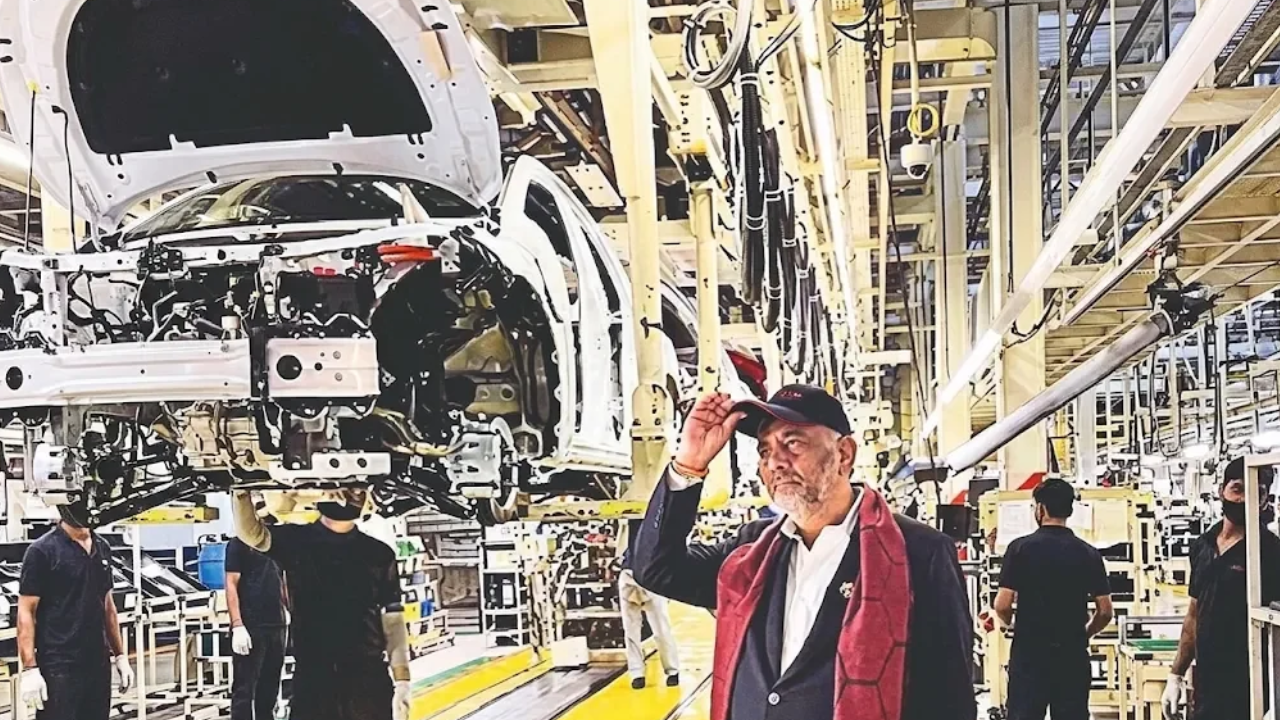
The Karnataka state government has issued a direct demand to Toyota to triple its production capacity to ten million units and introduce Japanese taxi hybrid models, signaling a strategic pivot in India's automotive policy. This aggressive stance aims to capture a larger share of the global supply chain while addressing domestic energy concerns, positioning the state as a critical node in the transition to sustainable mobility.
Times of IndiaNovember 24, 20261 min read
Share this story
Karnataka's Industrial Gambit: Pressuring Toyota to Triple Output and Import Hybrid Technology
The Strategic Consequence
This state-level industrial intervention will likely trigger a wave of similar demands from other Indian states, leading to a fragmented but highly competitive domestic market that forces global automakers to tailor their strategies to regional policy incentives.

The concrete rupture in this narrative is the explicit demand from the Karnataka government for Toyota to expand its manufacturing footprint dramatically. By urging the Japanese automaker to triple its output to ten million units, the state is not merely seeking job creation but is attempting to anchor a massive industrial ecosystem that could rival established hubs in other regions. This move is a calculated risk, leveraging the state's existing infrastructure and workforce to lock in a long-term partnership that promises significant economic returns.

The underlying tension lies in the balance between state-level industrial ambitions and the global strategic interests of multinational corporations. Toyota, like many automakers, is navigating a complex transition from internal combustion engines to electric and hybrid vehicles, a shift that requires substantial capital investment and technological adaptation. The demand for Japanese taxi hybrids suggests a specific focus on urban mobility solutions that are both efficient and environmentally conscious, reflecting a broader global trend. This friction between local policy goals and corporate strategy highlights the challenges of aligning national industrial policies with the realities of global market dynamics.

Advertisement

The downstream consequences of this negotiation will be felt across the automotive supply chain and the broader energy sector. If Toyota agrees to the terms, it could lead to a surge in local manufacturing, creating thousands of jobs and stimulating related industries such as battery production and software development. Conversely, if the negotiations fail, it could signal a shift in investor confidence, potentially driving capital to other states or countries with more favorable regulatory environments. The tangible outcome will be a reshaping of India's automotive , with Karnataka emerging as a key player in the global transition to sustainable transportation.

📰 Primary Source Publication Verified Resource & Provenance
✉
The Next Brief
Get the day's most important stories in one email
AI-curated morning digest. No noise. Unsubscribe anytime.

Comments 0

Advertisement

Related stories

Most read

  1. 1Alleged Mexican drug cartel boss ‘El Chapo Isidro’ arrested in special forces raid - The GuardianTop Stories
  2. 2Automated System Failure Forces Ground Stop Across Delta Air Lines NetworkTechnology
  3. 3Google’s $5 Million Bet on IIT Kharagpur Reshapes India’s AI Research HierarchyTechnology
  4. 4Telangana Innovation Challenge Draws Over 1,000 Proposals to Solve Public ProblemsBusiness
  5. 5Indian Educators Convene to Chart AI’s Place in Future ClassroomsArtificial Intelligence