Kaziranga’s Buffer Zone Shrinks as Judicial Rulings Cede Ground to State Authority
A recent judgment limited the judicially mandated buffer around Kaziranga National Park, allowing the state to re‑allocate the land for development. The decision threatens the park’s ecological integrity and sets a precedent for other protected areas.
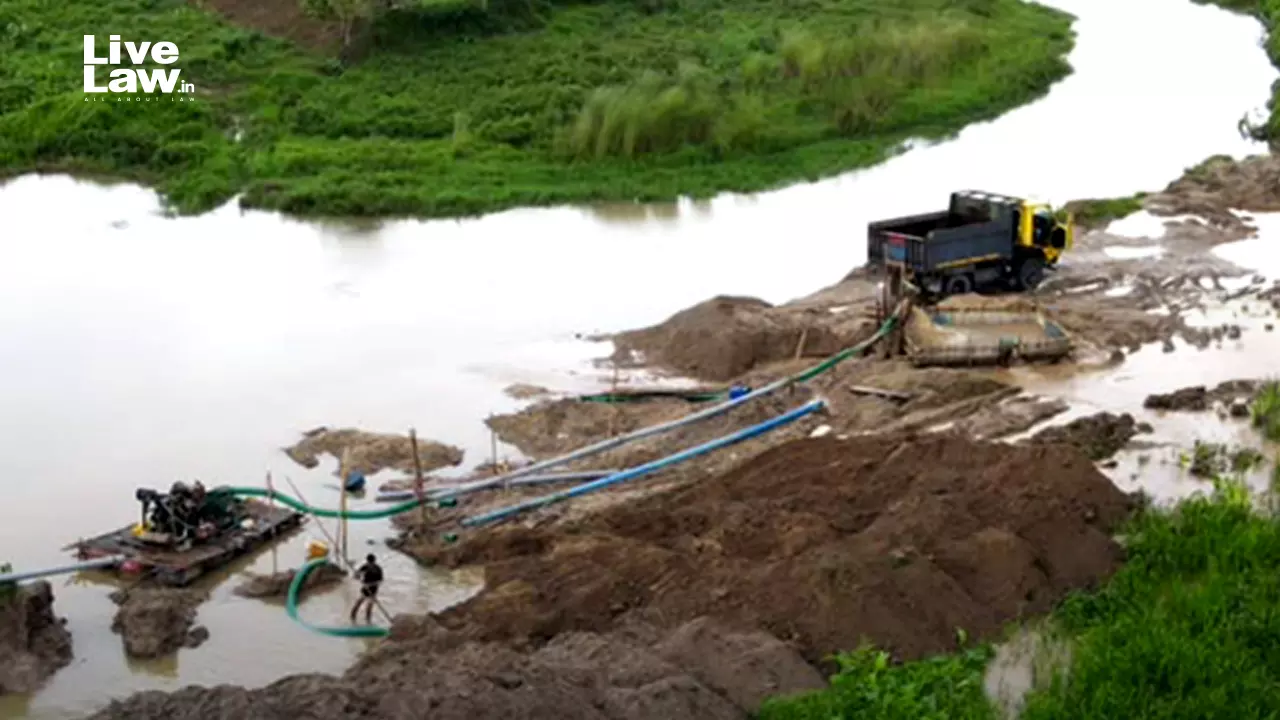
The concrete rupture occurred when the Supreme Court upheld a lower‑court order that reduced the protective buffer surrounding Kaziranga National Park, effectively permitting the state of Assam to repurpose portions of the zone for infrastructure projects. The ruling was based on a petition by the state government asserting that the buffer’s size impeded economic development, particularly road expansion and industrial zoning. By redefining the legal perimeter, the judiciary transferred a measure of environmental oversight from the courts to the state’s administrative machinery.
Underlying tension has long existed between conservation advocates who argue that a robust buffer is essential for safeguarding the park’s famed one‑horned rhinoceros, and state officials who claim that excessive restrictions hamper regional growth. The judgment reflects a broader friction in Indian environmental law, where courts have historically acted as guardians of ecological spaces, while state governments push for land‑use flexibility. Critics contend that the decision undermines decades of habitat protection, while supporters point to the potential for job creation and improved connectivity.
The downstream impact is immediate and tangible: wildlife corridors may be fragmented, increasing human‑wildlife conflict and threatening species survival. Local communities that depend on tourism could see a decline in visitor numbers, while developers stand to gain access to previously off‑limits land. The precedent may embolden other states to seek similar reductions in buffer zones, potentially eroding the protective framework for India’s network of national parks.
Comments 0