Kerala High Court Affirms State's Authority to Reassign Government Pleaders Mid‑Term
The Kerala High Court ruled that a state may replace its additional district government pleaders and public prosecutors even before the expiry of their tenure. The judgment reinforces the executive's discretion in staffing legal representation for the government.
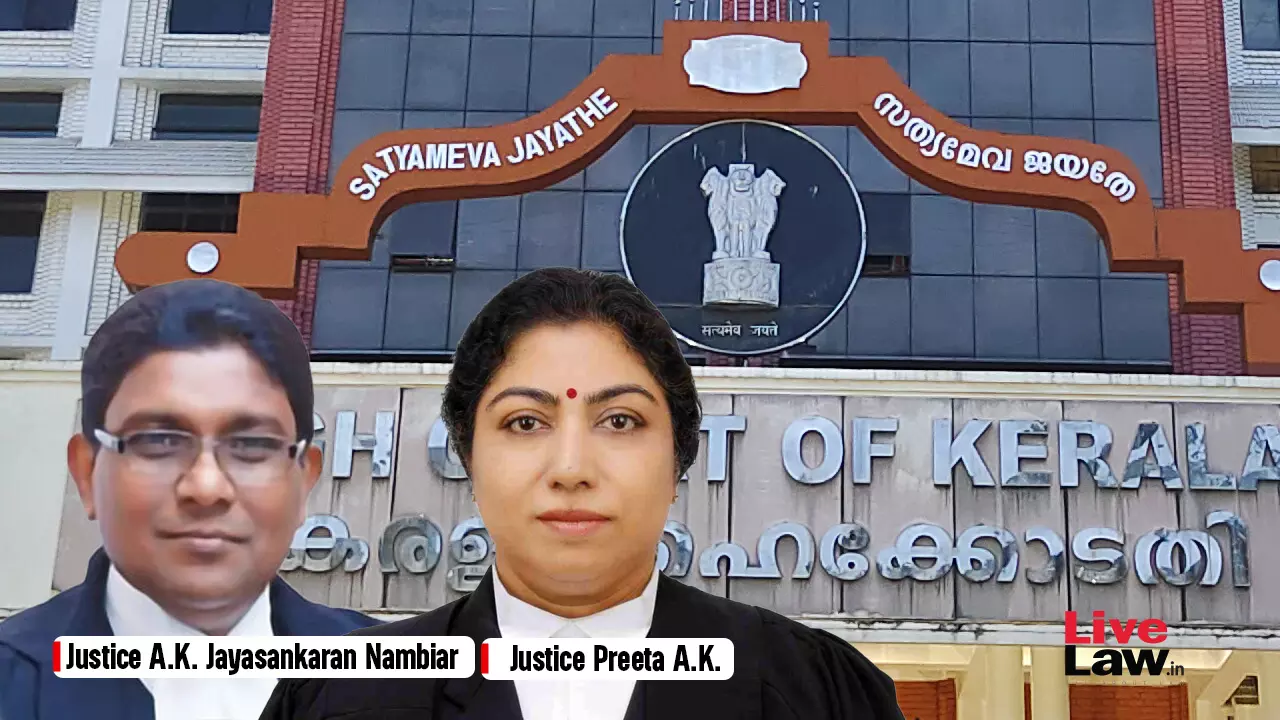
The concrete rupture in this legal saga arrived when the bench, led by Chief Justice Sushrut Arvind Dharmadhikari, held that the state possesses an inherent right to appoint and dismiss its legal officers at any point, irrespective of the fixed term stipulated in service rules. The decision overturned earlier expectations that tenure security would shield pleaders from political reshuffling, thereby opening the door for more fluid personnel management within the judicial apparatus. The court's reasoning hinged on the principle that the state, as a client, retains the prerogative to choose counsel that best serves its interests.
Underlying tension has been evident between the legal fraternity, which argues that premature removal undermines professional independence, and the state machinery, which contends that flexibility is essential for aligning legal strategy with evolving policy priorities. Senior advocates voiced concerns that such authority could be wielded to exert pressure on dissenting voices within the public prosecution system, potentially eroding the perceived impartiality of the courts. Meanwhile, the government emphasized the need for alignment between its policy agenda and the legal arguments presented in its defense.
The downstream impact of the ruling may manifest in a reshuffling of legal teams across districts, prompting a wave of appointments that could alter the dynamics of ongoing prosecutions and civil suits involving the state. Lawyers who previously enjoyed tenure security may now face heightened uncertainty, influencing career decisions and possibly prompting a migration toward private practice. In the broader context, the judgment could set a precedent for other Indian states seeking similar latitude, thereby reshaping the balance between executive control and judicial independence.
Comments 0