Kerala High Court Bars OBC Creamy‑Layer Certificate for Judge’s Daughter, Reinforces Direct‑Recruitment Rule
The Kerala High Court upheld the denial of an OBC creamy‑layer certificate to the daughter of a directly recruited judge, emphasizing that recruitment class, not age, determines eligibility. The judgment reaffirms the state’s reservation policy for direct recruitment posts. The ruling clarifies legal ambiguities surrounding reservation benefits for children of judicial officers, potentially affecting future applications for similar exemptions.
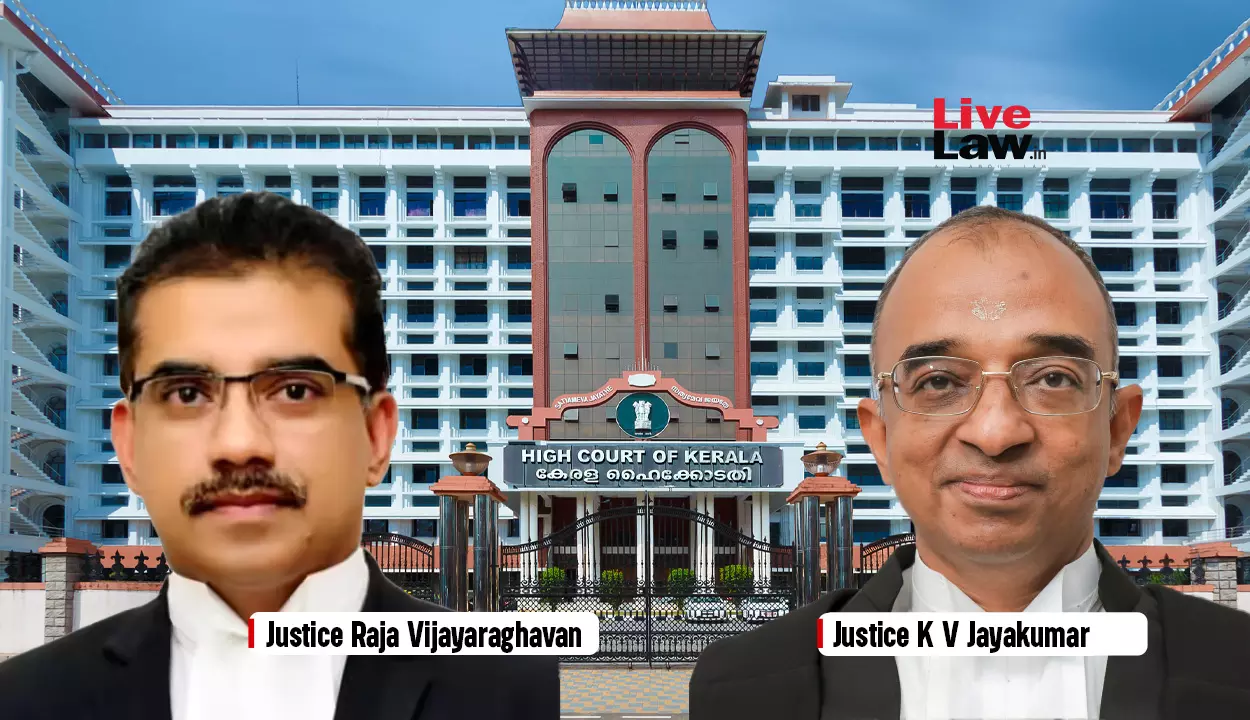
In a decisive judgment, the Kerala High Court ruled that the denial of an OBC creamy‑layer certificate to the daughter of a directly recruited judge was lawful, citing the statutory provision that eligibility hinges on the nature of the recruitment rather than the age of entry. The petitioner had argued that her father's status as a direct recruit to a Class I post should qualify her for the reservation benefit, but the bench held that the law expressly limits such concessions to positions filled through regular recruitment channels.
The underlying tension stems from competing interpretations of reservation policy within the state’s judicial and administrative framework. Advocates for broader eligibility contend that the spirit of affirmative action should extend to families of high‑ranking officials, while opponents warn that expanding the criteria could dilute the intended focus on historically disadvantaged groups. The court’s reliance on a literal reading of the reservation statutes underscores a judicial preference for clear legislative intent over expansive social engineering.
The decision’s downstream effects are likely to shape future applications for OBC certificates across Kerala’s public sector. By setting a precedent that restricts creamy‑layer benefits to specific recruitment categories, the judgment may deter similar petitions from families of directly recruited officials. It also signals to administrative bodies that rigorous adherence to reservation guidelines will be upheld, potentially prompting a review of internal policies to ensure compliance and avoid litigation.
Comments 0