Kerala High Court Defines Legal Boundaries of Classroom Discipline
The Kerala High Court has ruled that teachers cannot face criminal prosecution for employing trivial corrective measures to maintain order. The decision provides legal protection to educators navigating the delicate balance between child protection laws and classroom management.
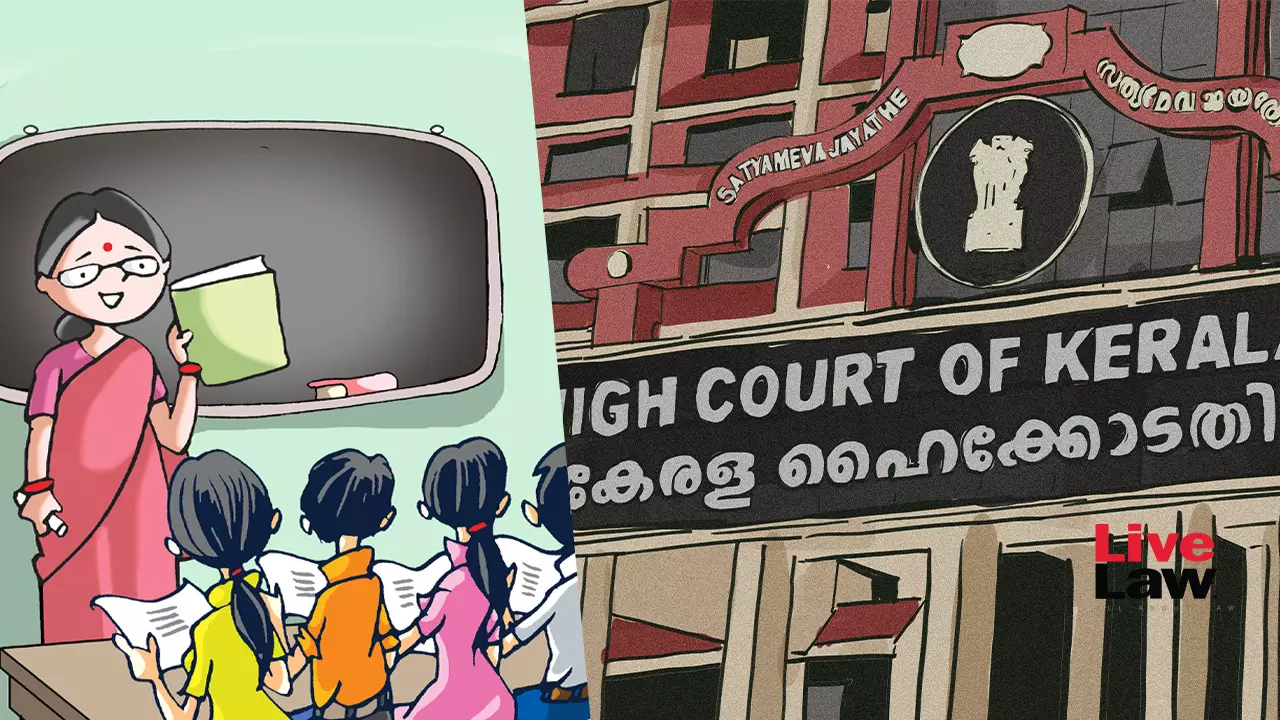
Judicial clarity arrived in southern India as the Kerala High Court addressed the blurred lines between corporal punishment and routine classroom discipline. The bench held that minor physical interventions, such as pulling a student's hand to correct behavior, do not automatically attract criminal liability under penal statutes. The ruling emerged from a petition filed by an educator facing criminal charges following a minor disciplinary action within school premises.
The judgment addresses a growing institutional anxiety among teaching professionals who feel increasingly vulnerable to criminal litigation over minor pedagogical corrections. While child rights advocates emphasize the necessity of absolute protection against abuse, educators argued that the complete elimination of physical authority paralyzed effective classroom control. The court sought a middle path, distinguishing between malicious abuse and minor corrective actions intended to uphold institutional discipline.
This judicial boundary setting is expected to reduce the incidence of vexatious criminal prosecutions against school staff while preserving avenues for genuine grievance redressal. Educational administrators welcomed the clarity, noting that teachers require a protected operational environment to manage unruly classrooms safely. The ruling establishes a valuable precedent for subordinate courts handling similar disputes across different states.
Comments 0