Kerala High Court Grants Anticipatory Bail to District Judge Amid Fatal Crash Inquiry
The Kerala High Court released a district judge on anticipatory bail after his son was implicated in a deadly road accident, allowing the magistrate to remain on the bench. The decision prompted public scrutiny of judicial privilege and accountability.
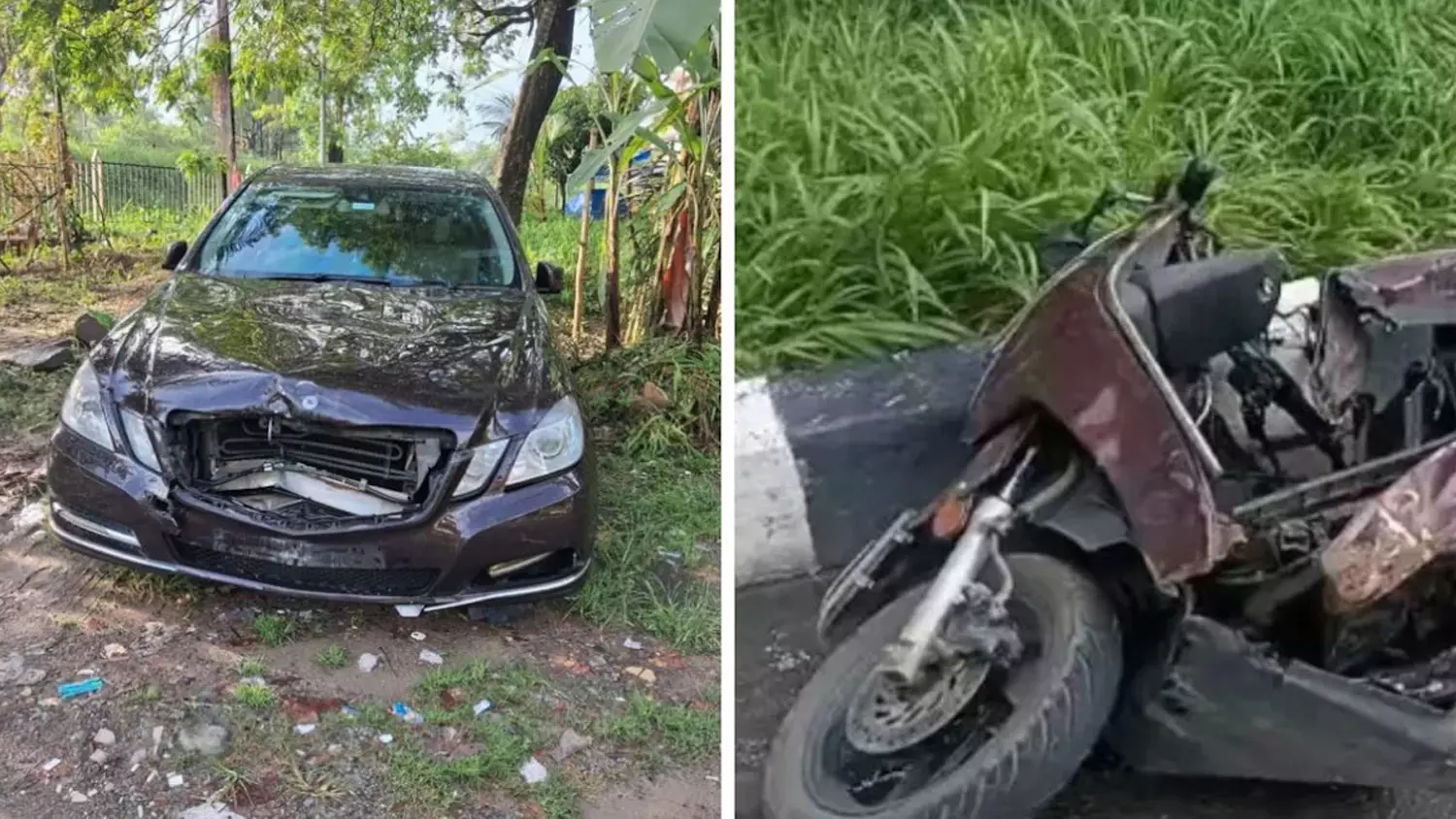
In a session held at the Kochi bench, the Kerala High Court ordered anticipatory bail for a sitting district judge whose son is alleged to have caused a fatal collision involving a private vehicle. The bench emphasized that the judge would cooperate fully with investigative agencies, thereby balancing the need for due process with the preservation of judicial independence. The bail order ensures that the judge can continue his judicial responsibilities while the police pursue the factual matrix of the accident, which claimed the life of a local resident.
The case unfolds against a backdrop of heightened sensitivity to the conduct of public officials and their families, especially in matters that involve loss of life. Critics argue that granting bail to a sitting judge may set a precedent that shields members of the judiciary from rigorous scrutiny, while supporters contend that the principle of presumption of innocence must apply uniformly. The incident also revives discussions about road safety standards in Kerala, where traffic fatalities have risen in recent years, prompting calls for stricter enforcement of vehicular regulations.
The downstream effects of the bail order may influence public confidence in the judiciary, as observers assess whether the court's leniency reflects a broader trend of protective treatment for its own. Legal analysts predict that future cases involving relatives of judges could be examined more closely, potentially leading to procedural reforms that delineate the boundaries of judicial immunity. For now, the district judge remains active on the bench, while the investigation proceeds under the watchful eye of both the media and civil society.
Comments 0