Kerala's Political Calculus: Congress Apologizes to Chief Justice
The Kerala Pradesh Congress Committee has issued an apology to Chief Justice Surya Kant over a disrespectful social media post, stating the individual responsible has been removed. The incident highlights the growing tension between political parties and the judiciary in the digital age.
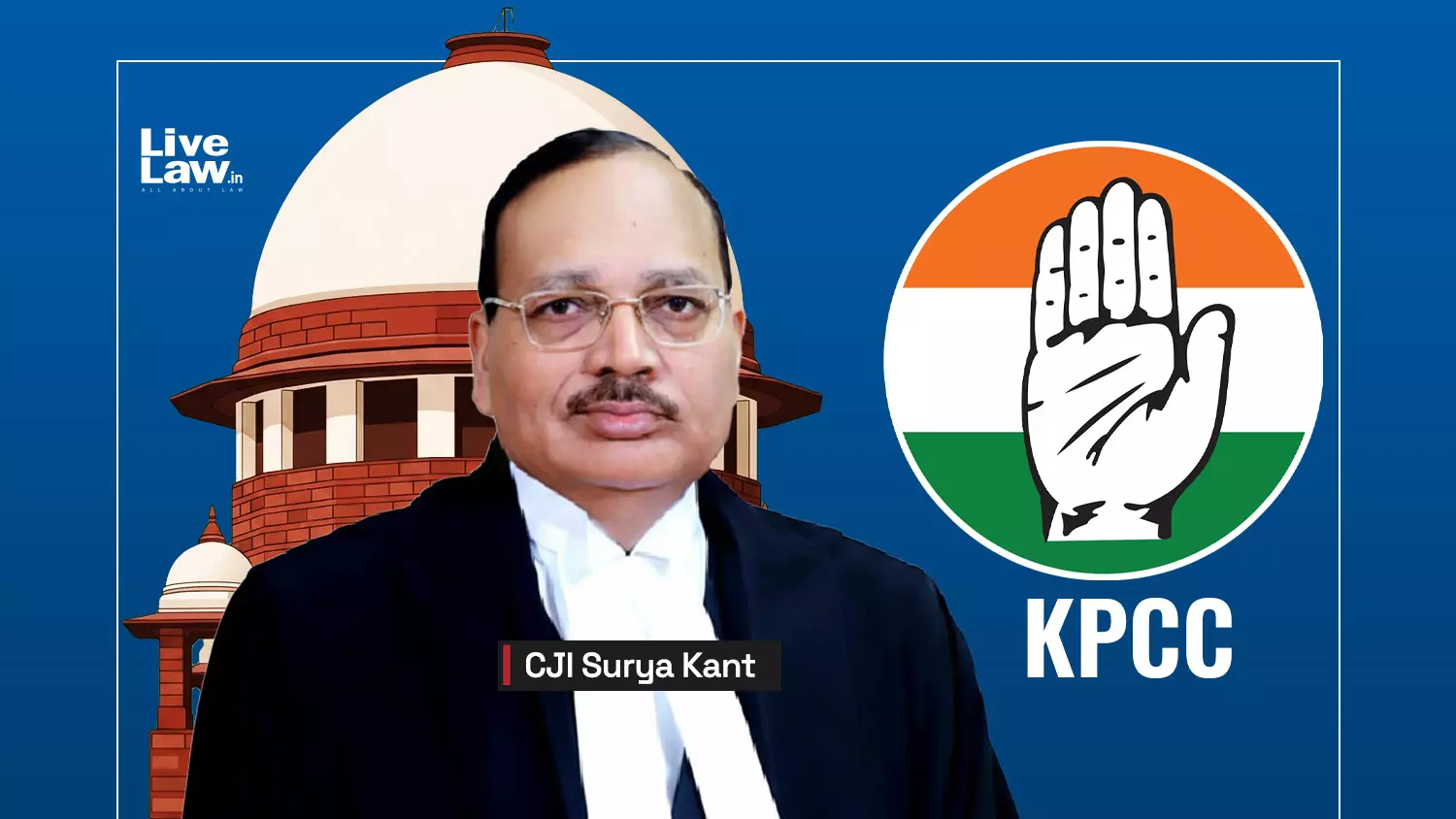
The Kerala Pradesh Congress Committee has taken a decisive step to distance itself from a controversial social media post that was deemed disrespectful to Chief Justice Surya Kant. The party has issued a formal apology and confirmed that the person responsible for the post has been removed from their position. This move is a clear attempt to manage the political fallout and maintain a respectful relationship with the judiciary. The incident, while seemingly minor, has significant implications for the party's image and its ability to operate within the bounds of constitutional norms.
The underlying tension in this case is the blurring of lines between political activism and judicial respect in the digital age. Social media has become a powerful tool for political parties to mobilize their base, but it has also become a platform for unchecked rhetoric that can undermine the authority of institutions. The institutional friction here is between the need for political parties to engage with the public in a direct and unfiltered manner and the need to maintain decorum and respect for the judiciary. The party's quick response suggests an awareness of the potential consequences of such actions, both legally and politically.
The downstream casualties of this incident are the credibility of the political party and the public's trust in the rule of law. The tangible outcome is a reminder to all political actors that the digital space is not a free-for-all and that respect for institutions is a fundamental aspect of a functioning democracy. For the judiciary, this incident reinforces the need for clear guidelines on the conduct of political parties on social media. In the longer term, this case may lead to a more cautious approach by political parties in their digital communications, potentially reducing the volume of inflammatory content but also limiting their ability to engage with the public in a direct and unfiltered manner.
Comments 0