Kingmaker Politics Reshapes Uttar Pradesh's Electoral
Chandrashekhar Azad's alliance with Asaduddin Owaisi positions their coalition as a decisive force in the upcoming Uttar Pradesh elections. This strategic partnership aims to leverage their combined voter base to influence the outcome of the state's most significant political contest.
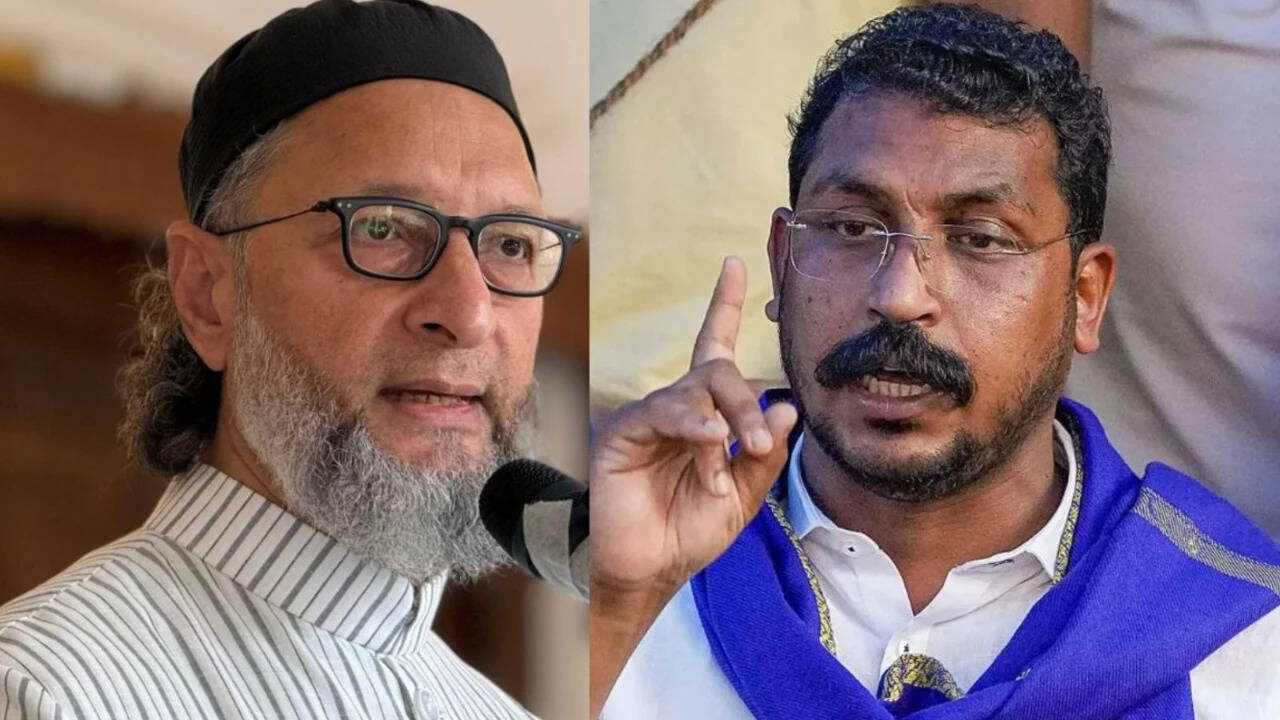
The concrete rupture in Uttar Pradesh's political is the formation of a strategic alliance between Chandrashekhar Azad and Asaduddin Owaisi, which explicitly positions their coalition as the kingmakers in the upcoming state elections. This partnership is not merely a tactical maneuver but a calculated effort to consolidate their respective voter bases and create a formidable bloc capable of determining the outcome of the state's most significant political contest. The alliance signals a shift in the political dynamics of the region, where smaller parties are increasingly leveraging their influence to shape the broader electoral narrative.
The underlying tension driving this alliance stems from the institutional friction between the dominant political parties and the smaller, regional forces that have historically been marginalized in the state's political discourse. By joining forces, Azad and Owaisi are attempting to break the duopoly of the major parties and create a viable alternative that resonates with a diverse cross-section of the state's population. This move is a direct response to the perceived lack of representation and the failure of the major parties to address the specific concerns of their constituents.
The downstream consequences of this alliance will be felt across the state, as the political is reshaped to accommodate a new, powerful bloc that can dictate the terms of governance. The tangible outcome is a more competitive and fragmented political environment, where the major parties are forced to engage with the smaller forces and address their demands to secure victory. This shift has the potential to alter the policy priorities of the state government, leading to a more inclusive and responsive political system.
Comments 0