Kolkata’s Mercury Plunge Overwhelms Hospitals
A sudden drop in mercury levels left Kolkata’s residents gasping for air, forcing hospitals to add beds. The health emergency underscores vulnerabilities in urban environmental monitoring.
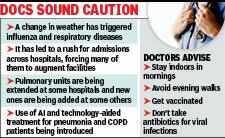
The concrete rupture was recorded when atmospheric mercury concentrations fell sharply across Kolkata, triggering acute respiratory distress among thousands of inhabitants. Local hospitals, already operating near capacity, scrambled to open additional wards and secure extra ventilators to accommodate the surge of patients struggling to breathe. The rapid escalation of cases exposed the city’s limited surge‑capacity infrastructure and the immediacy with which environmental anomalies can translate into medical crises.
Underlying tension unfolded as environmental agencies and municipal authorities faced criticism for inadequate real‑time monitoring of hazardous pollutants. Experts warned that the city’s air‑quality sensors, many of which are outdated, failed to provide early warnings that could have mitigated the health fallout. The episode sparked a broader debate about the allocation of resources for pollution surveillance versus other urban priorities, with civic leaders defending budget constraints while activists called for urgent upgrades.
The downstream consequences extend beyond the immediate strain on healthcare facilities. Public confidence in the city’s ability to safeguard its air has eroded, prompting calls for stricter emissions controls and the deployment of modern monitoring networks. Businesses reliant on a healthy workforce may experience productivity losses, and the episode could influence future urban planning decisions, prioritising environmental resilience as a core component of city development.
Comments 0