Kulgam's Motorcycle: The New Face of Asymmetric Threat
A terror attack in Kulgam, Kashmir, involving perpetrators on a motorcycle, has triggered an immediate security crackdown and a reevaluation of counter-insurgency tactics. The incident underscores the evolving nature of threats in the region, where mobility and surprise are key to the attackers' success.
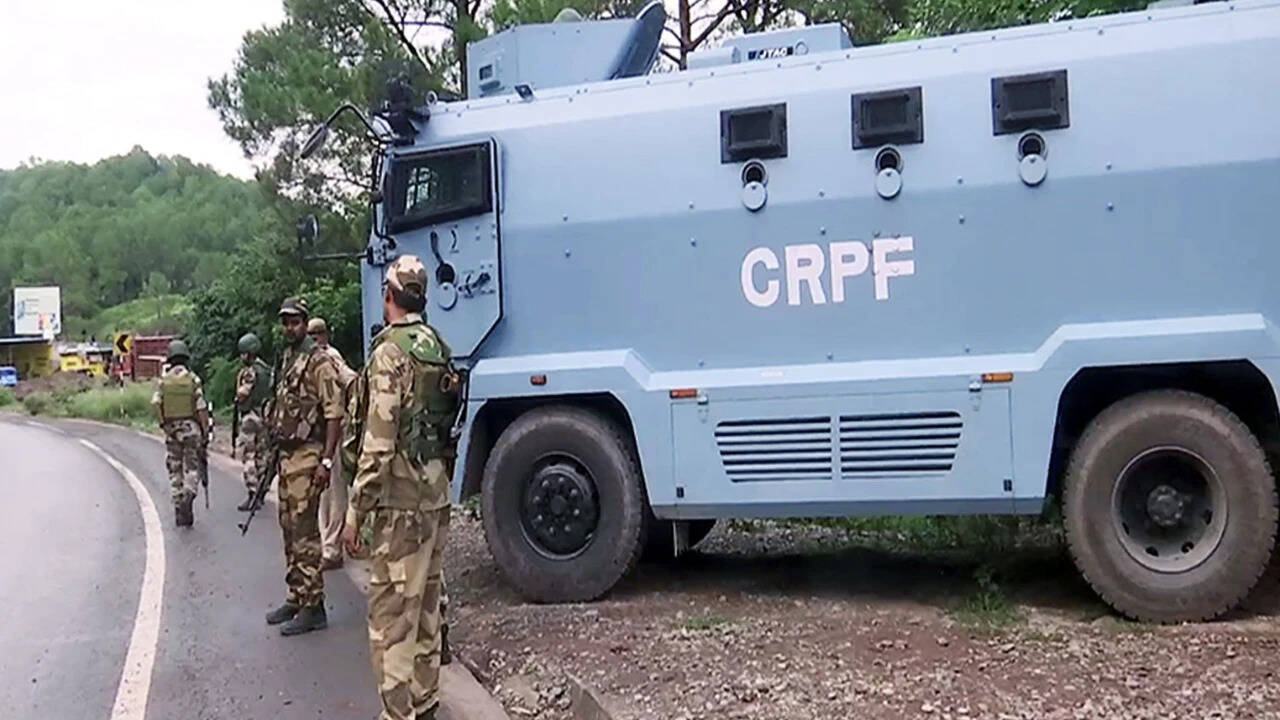
The streets of Kulgam have once again become a theater of conflict, with a terror attack that caught both the public and security forces off guard. The perpetrators, traveling on a motorcycle, managed to execute their assault with a speed and stealth that highlighted the vulnerabilities in the current security architecture. This is not just a local incident; it is a stark reminder that the threat in the region is shifting, with attackers leveraging common vehicles to bypass checkpoints and strike with devastating precision.
The underlying tension in Kashmir is no longer just about ideological insurgency; it is about the adaptation of tactics to modern mobility. The use of a motorcycle, a vehicle ubiquitous in daily life, suggests a level of integration into the civilian population that makes detection and prevention increasingly difficult. Security forces are now forced to operate in a mode of constant vigilance, where every vehicle must be scrutinized, leading to a friction that affects the daily lives of innocent citizens and strains the resources of the state.
The immediate outcome is a launch of a search operation, a standard but necessary response that often yields limited results in the short term. However, the deeper consequence is a potential shift in policy, where the focus may move from traditional counter-insurgency to more granular, intelligence-driven surveillance. This could lead to a more intrusive security environment, where the balance between safety and civil liberties is tested, and the social fabric of the region is further strained by the presence of a pervasive security apparatus.
Comments 0