Ladakh Holds Hill Council Elections Amid Statehood Agitation
The December 4 polls in Leh and Kargil proceed despite a boycott call, marking a decisive moment for the region’s push for Sixth Schedule status. The turnout will determine whether the local governance structure can accommodate demands for greater autonomy.
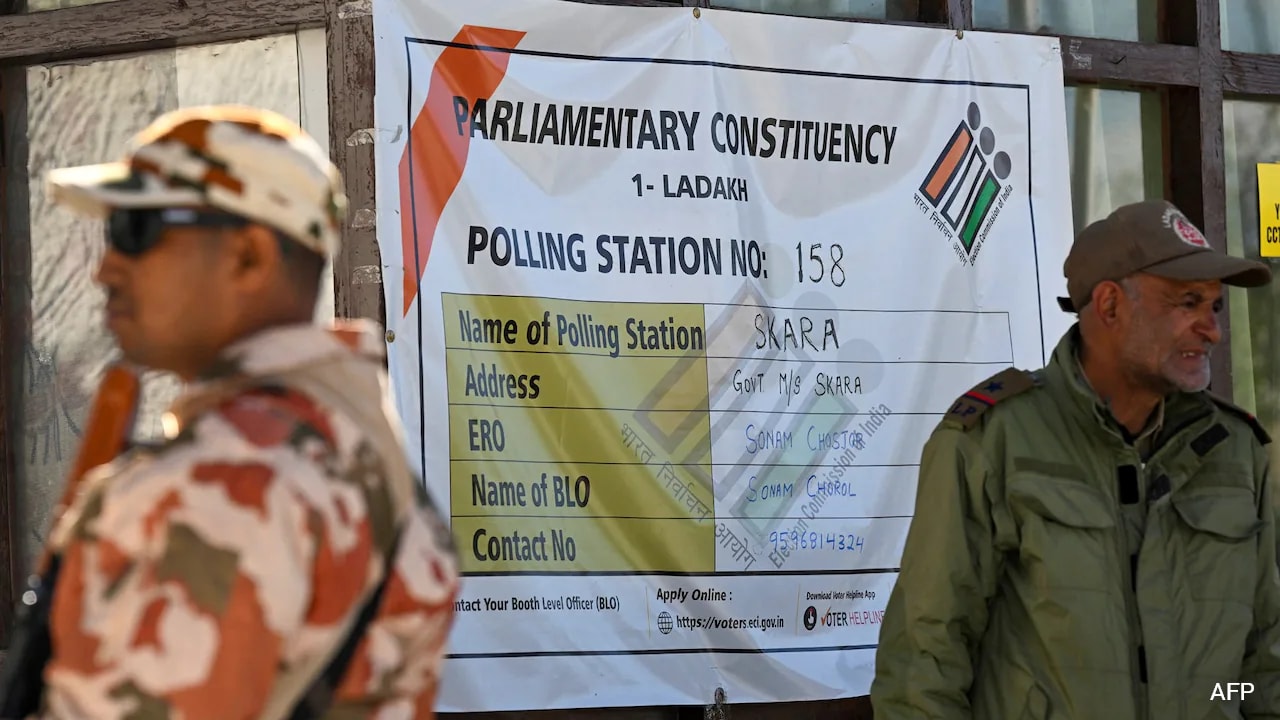
The Ladakh Union Territory, carved out of Jammu and Kashmir in 2019, has long been a flashpoint for ethnic and administrative tensions. The region’s two districts, Leh and Kargil, are home to distinct Ladakhi and Shia Muslim communities, each seeking recognition under India’s Sixth Schedule, which grants special autonomy to tribal areas. The hill council elections, scheduled for December 4, represent the first opportunity for residents to elect representatives who could negotiate the terms of that autonomy within the framework of the Indian constitution.
A coalition of local activists and political groups has called for a boycott, arguing that the elections will merely entrench the status quo and fail to address demands for statehood. Despite the boycott, the Election Commission has confirmed that polling will proceed, citing logistical readiness and the need to maintain democratic processes. The decision has sparked protests in Leh, where demonstrators have erected barricades and chanted slogans demanding a fair and inclusive electoral framework.
The turnout will be a litmus test for the legitimacy of the hill councils and the broader autonomy debate. A robust voter participation could empower elected leaders to negotiate more favorable terms for local governance, while a low turnout might reinforce the boycott’s narrative of exclusion. The results will reverberate beyond Ladakh, influencing the central government’s approach to tribal autonomy and potentially reshaping the political calculus in the northern frontier.
Comments 0