Lalit Modi Secures British Passport After Sixteen Years in Exile
Former IPL chief Lalit Modi announced his acquisition of British citizenship, a move that revives scrutiny of his financial controversies. The development intensifies political debate over accountability for high‑profile expatriates.
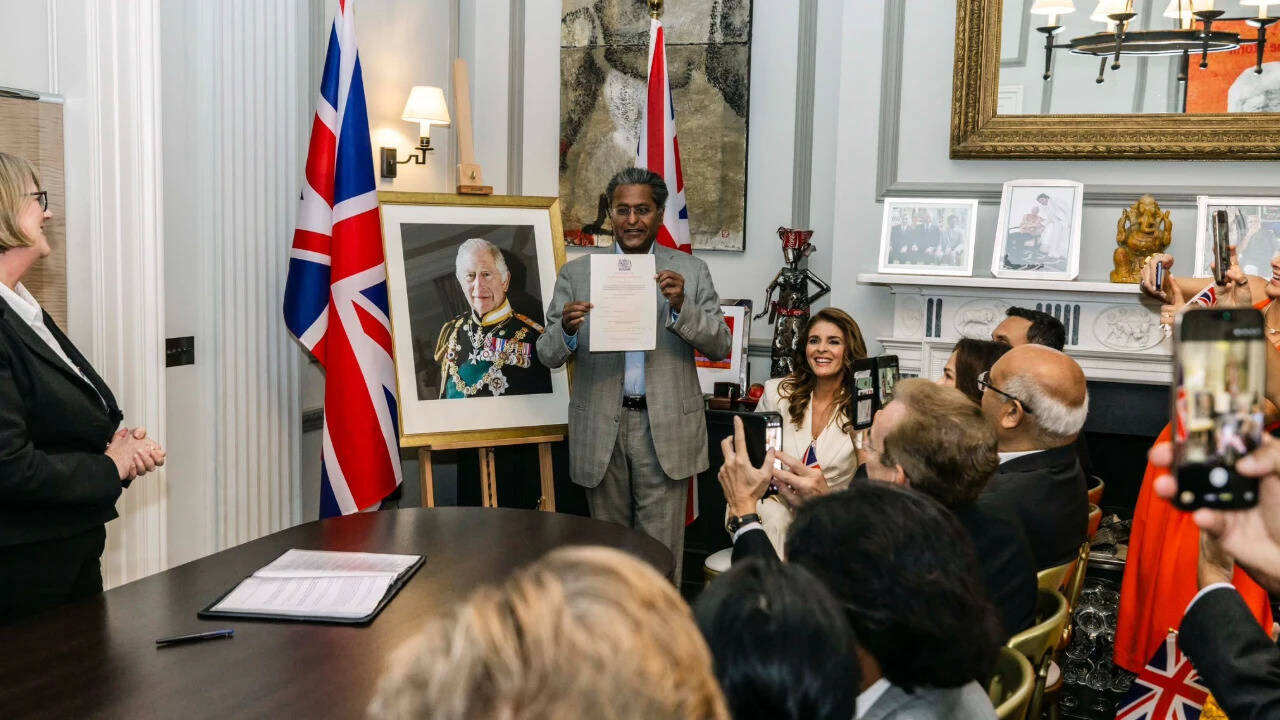
The legal process that culminated in Modi’s naturalisation concluded after a prolonged period of residence in the United Kingdom, during which he maintained a low public profile. His citizenship ceremony, held at a historic venue in London, was attended by a small circle of supporters who highlighted his contributions to cricket’s commercial expansion. The formal grant of nationality, however, re‑ignited discussions about the unresolved investigations into alleged money‑laundering and tax evasion that have shadowed his career since his departure from India.
Political parties across the spectrum seized upon the news to advance divergent narratives. Opposition leaders framed the episode as evidence of systemic leniency toward affluent individuals who evade domestic jurisdiction, while allies argued that the matter should be resolved through due legal process rather than public censure. The episode has also strained relations between Indian authorities and foreign financial regulators, who are now tasked with coordinating cross‑border inquiries into the complex web of offshore entities linked to Modi.
The tangible consequences extend beyond the courtroom. Cricket administrators face renewed pressure to demonstrate transparency in governance, especially as the IPL prepares for its next season. Public confidence in the sport’s institutional integrity appears fragile, and sponsors are monitoring the situation closely for reputational risk. Moreover, the episode may influence future policy discussions on expatriate taxation and the repatriation of assets, prompting legislative bodies to consider stricter oversight mechanisms.
Comments 0