Lamp not lit atop deepathoon, Supreme Court to hear contempt case
The Supreme Court will hear a contempt petition after the Tamil Nadu government failed to light the Karthigai Deepam lamp as ordered. The case has drawn criticism from political parties and the Madurai district administration.
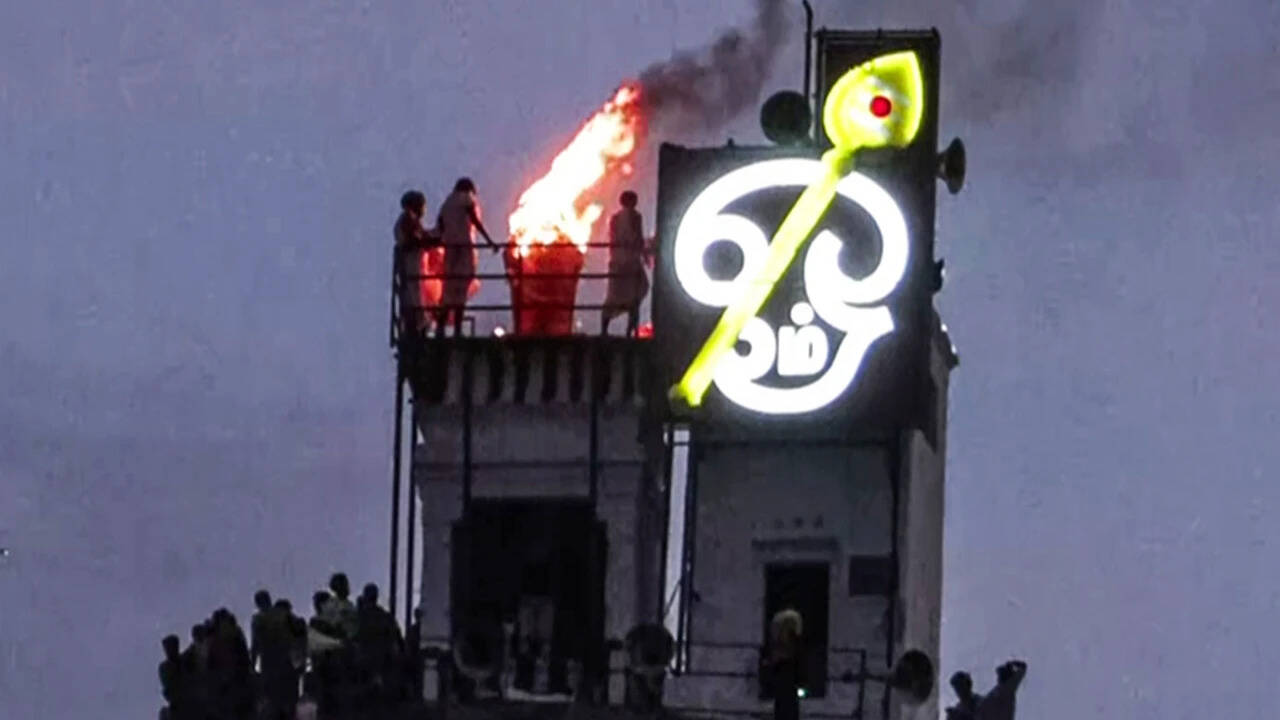
Karthigai Deepam is a major Hindu festival celebrated in Tamil Nadu, during which a ceremonial lamp is lit atop the Deepam temple in Madurai. The Supreme Court issued an order directing the state government to ensure the lamp is illuminated on the prescribed date, citing the cultural importance of the ritual and the need to uphold court directives. The order was part of a broader effort to enforce compliance with legal rulings that affect public religious observances.
The Tamil Nadu government has not acted on the court's directive, prompting the filing of a contempt petition against the Madurai Collector. Although the collector issued an apology for the oversight, the Supreme Court indicated that an apology alone may not suffice to avoid contempt proceedings. Several political parties have publicly opposed the non‑compliance, arguing that it reflects a disregard for both legal authority and local traditions. The district administration in Madurai has also expressed concern, noting that the failure could erode public confidence in governance.
The pending hearing is significant for readers across India because it highlights the tension between judicial orders and state execution, especially in matters tied to cultural heritage. A ruling that enforces contempt could set a precedent for stricter adherence to court mandates, influencing how other states respond to similar directives. It also underscores the role of the judiciary in safeguarding religious practices that are integral to community identity, a matter that resonates with many Indian citizens.
Comments 0