Legal Ambiguity Clouds Liability for Esports Organisers and Streamers After Event Mishap
A recent incident at a major esports tournament raised questions about who bears responsibility when technical failures disrupt live broadcasts. The case highlights gaps in existing Indian law regarding digital entertainment contracts.
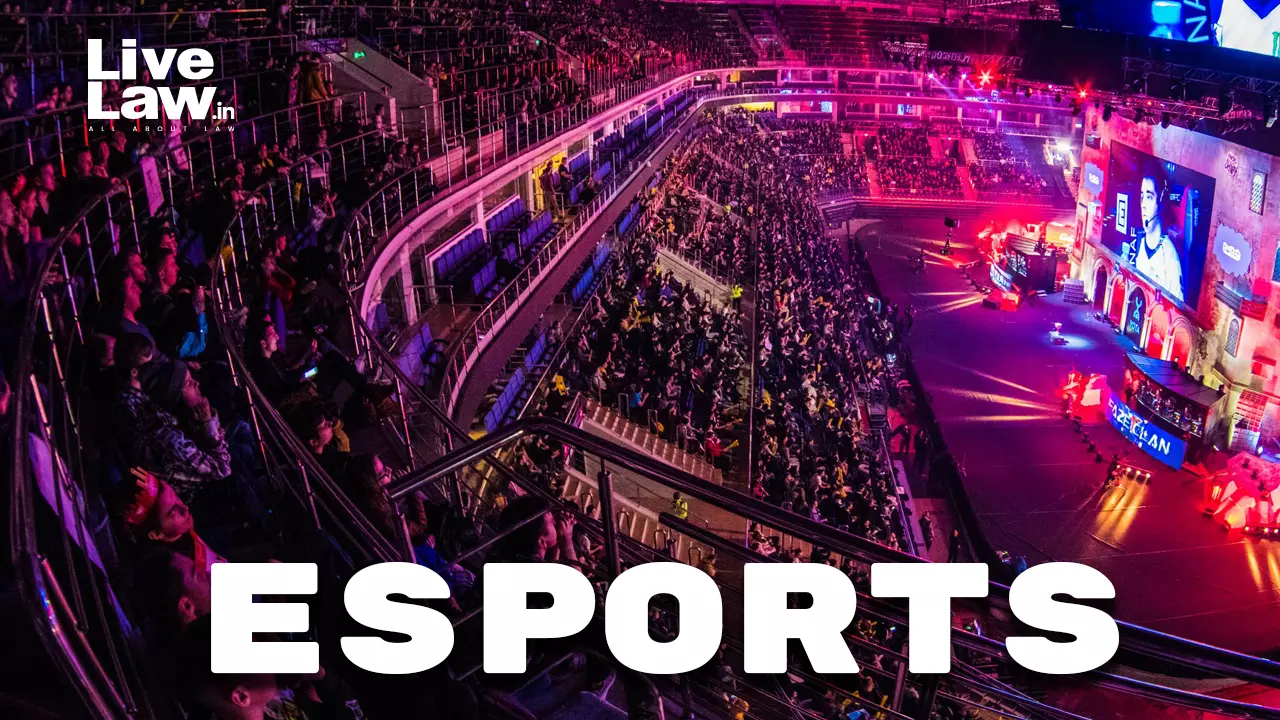
The controversy erupted when a high‑profile gaming event experienced a server outage that forced the cancellation of several matches, leaving spectators and sponsors disgruntled. Organisers argued that the fault lay with third‑party streaming platforms, while the platforms contended that the tournament’s own infrastructure was at fault. Legal scholars note that Indian contract law does not yet clearly delineate duties for digital service providers in the rapidly expanding esports ecosystem.
Industry bodies have responded by drafting model agreements that allocate risk based on performance metrics, insurance coverage, and force‑majeure clauses tailored to cyber‑related disruptions. The debate has also drawn attention from the Ministry of Electronics and Information Technology, which is reportedly reviewing regulatory frameworks to address the burgeoning market. Stakeholders warn that without clear liability rules, investors may hesitate to fund large‑scale tournaments, potentially stalling sector growth.
If the legal uncertainties persist, the esports industry could see a slowdown in sponsorship inflows and a shift towards smaller, privately funded events that operate under more controlled risk environments. Over the next year, legislative clarification may emerge, establishing a more predictable liability regime that could restore confidence among broadcasters, advertisers, and participants alike.
Comments 0