Meira Kumar's Impeachment of the CEC: A Symbolic Strike at Electoral Neutrality
Former Speaker Meira Kumar's declaration that CEC Gyanesh Kumar is unfit, delivered from the chair once used by Jawaharlal Nehru, marks a potent symbolic attack on the Election Commission's credibility. This act of political theater aims to delegitimize the current electoral leadership in the eyes of the public and the judiciary.
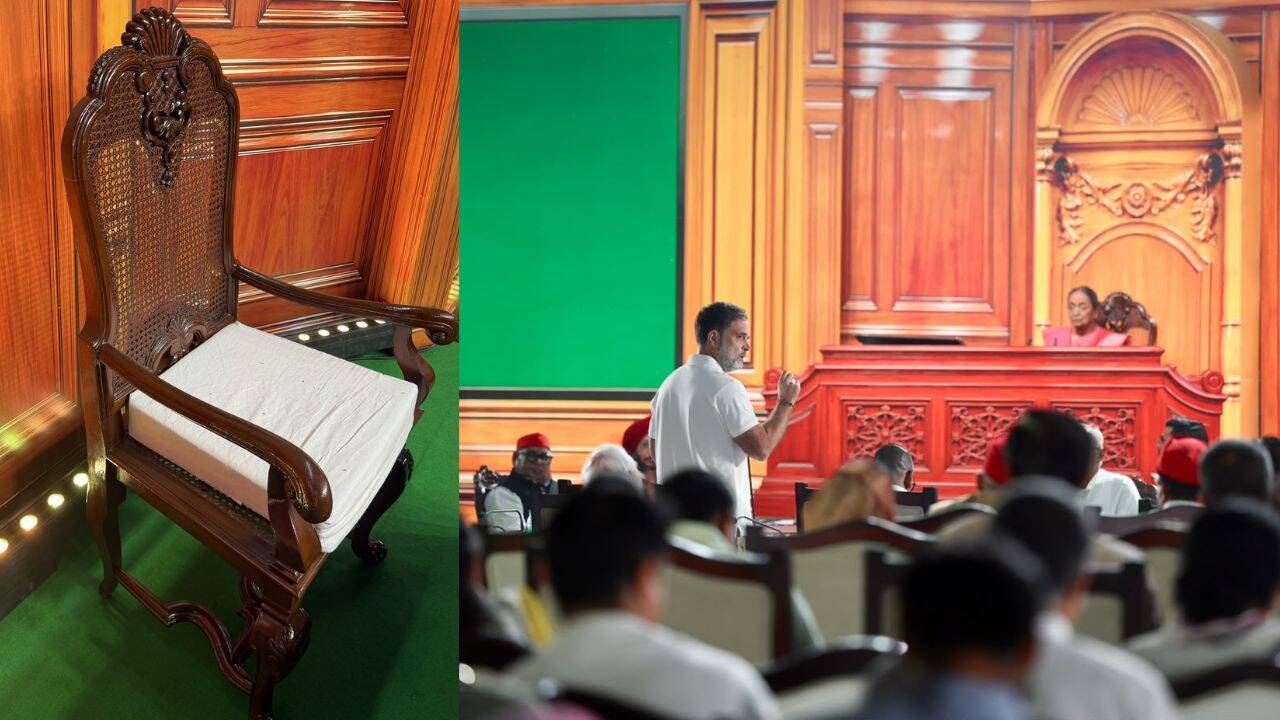
The act of Meira Kumar declaring the Chief Election Commissioner unfit from the historic chair used by Jawaharlal Nehru is a carefully staged political maneuver designed to maximize symbolic impact. By invoking the legacy of India's first Prime Minister, Kumar seeks to frame the current CEC as a departure from the constitutional ideals of neutrality and impartiality. The choice of location and the historical reference are intended to evoke a sense of moral authority and to contrast the current leadership with the founding principles of the republic. This symbolic strike is part of a broader strategy by the opposition to undermine public confidence in the Election Commission and to pressure the government to take action.
The underlying tension is the growing perception among opposition leaders that the Election Commission has become a tool of the ruling party, rather than an independent arbiter of the electoral process. This perception is fueled by a series of decisions and actions by the CEC that have been criticized as partisan, including the handling of voter lists and the regulation of campaign finance. The opposition argues that the CEC's failure to act on complaints of irregularities has compromised the integrity of recent elections. By declaring Kumar unfit, the opposition is attempting to create a narrative of institutional failure that can be used to justify their demands for his resignation.
The downstream consequences of this symbolic act are likely to be significant, as it will further polarize the political and increase pressure on the judiciary to intervene. The Supreme Court may be forced to take up the issue of the CEC's fitness, which could lead to a landmark ruling on the independence of the Election Commission. The act will also likely be used by the ruling party to portray the opposition as engaging in political theater rather than substantive policy debate. However, the symbolic power of the act cannot be underestimated, as it has the potential to shift public opinion and to create a sense of urgency around the issue of electoral integrity.
Comments 0