Legal Precedent Restored: Supreme Court Clarifies Boundaries of Criminal Breach of Trust for Public Servants
The Supreme Court of India set aside a lower conviction by ruling that formal entrustment remains an indispensable ingredient of criminal breach of trust. The verdict reinstates the acquittal of a former telephone department cashier after decades of protracted litigation.
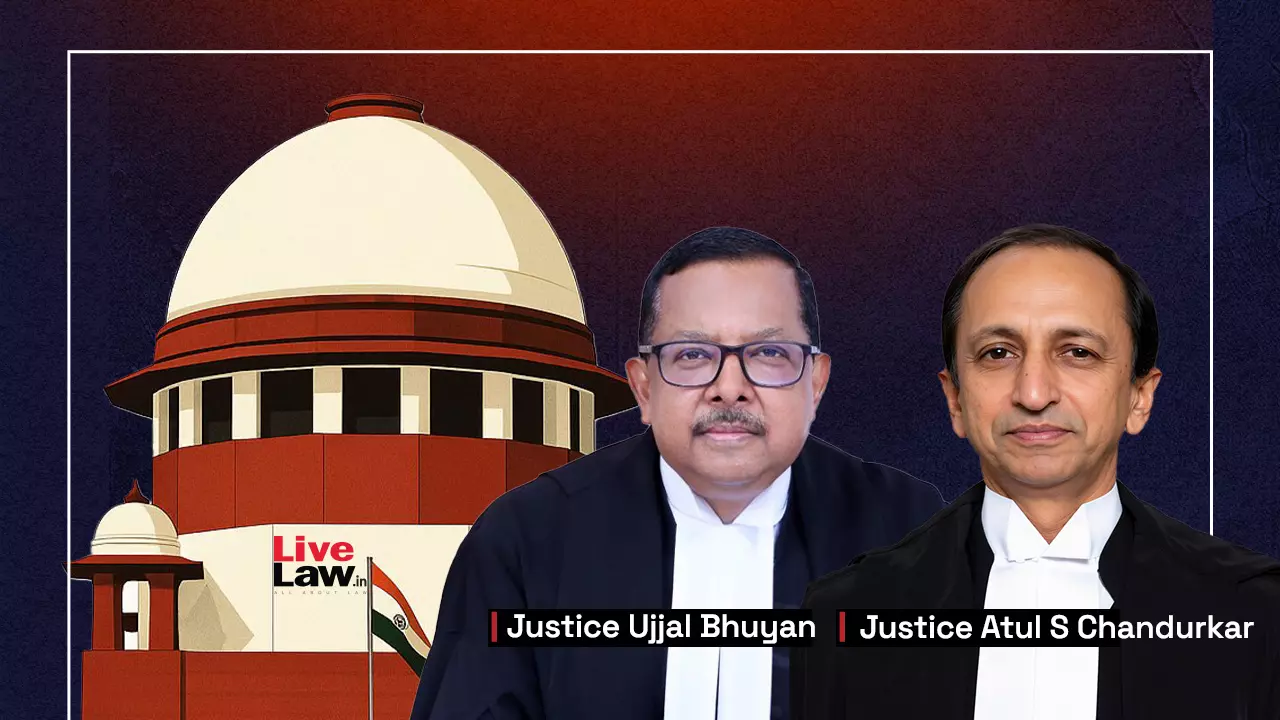
The highest court of the land delivered a definitive judgment regarding the strict evidentiary standards required to sustain convictions under section 409 of the Indian Penal Code. The case centered around a former telephone department cashier who had spent decades fighting corruption and misappropriation charges originating from alleged financial irregularities in public accounts. A specialized bench meticulously examined the foundational elements of the prosecution case, noting a fatal absence of proof concerning the formal handover or legal entrustment of the disputed funds to the accused official.
Legal scholars have long debated the precise threshold required to prove criminal breach of trust, particularly within complex bureaucratic environments where multiple personnel handle government revenues daily. The apex court reiterated that suspicion, no matter how grave, cannot substitute for concrete legal proof establishing that the accused was legally entrusted with the specific property in question and subsequently converted it for personal use. By dismantling the evidentiary leaps made by previous judicial tiers, the bench reinforced foundational criminal jurisprudence that protects public servants from arbitrary or circumstantial prosecution.
The downstream outcome of this ruling provides immediate legal relief to the aging defendant, bringing an end to a lifetime of professional disgrace and penal anxiety. Simultaneously, it serves as a strict directive for investigative agencies and lower courts to tighten their prosecutorial methodologies, ensuring that financial audits translate into legally sound charges rather than generalized accusations of institutional graft.
Comments 0