Judicial Scrutiny Of Mumbai Police Actions Signals A Reckoning For Civil Liberties
The Bombay High Court has formally ordered the Maharashtra government to answer allegations of unlawful detentions during anti-CEC protests. This judicial intervention threatens to hold municipal law enforcement personally accountable for overreaching public order mandates.
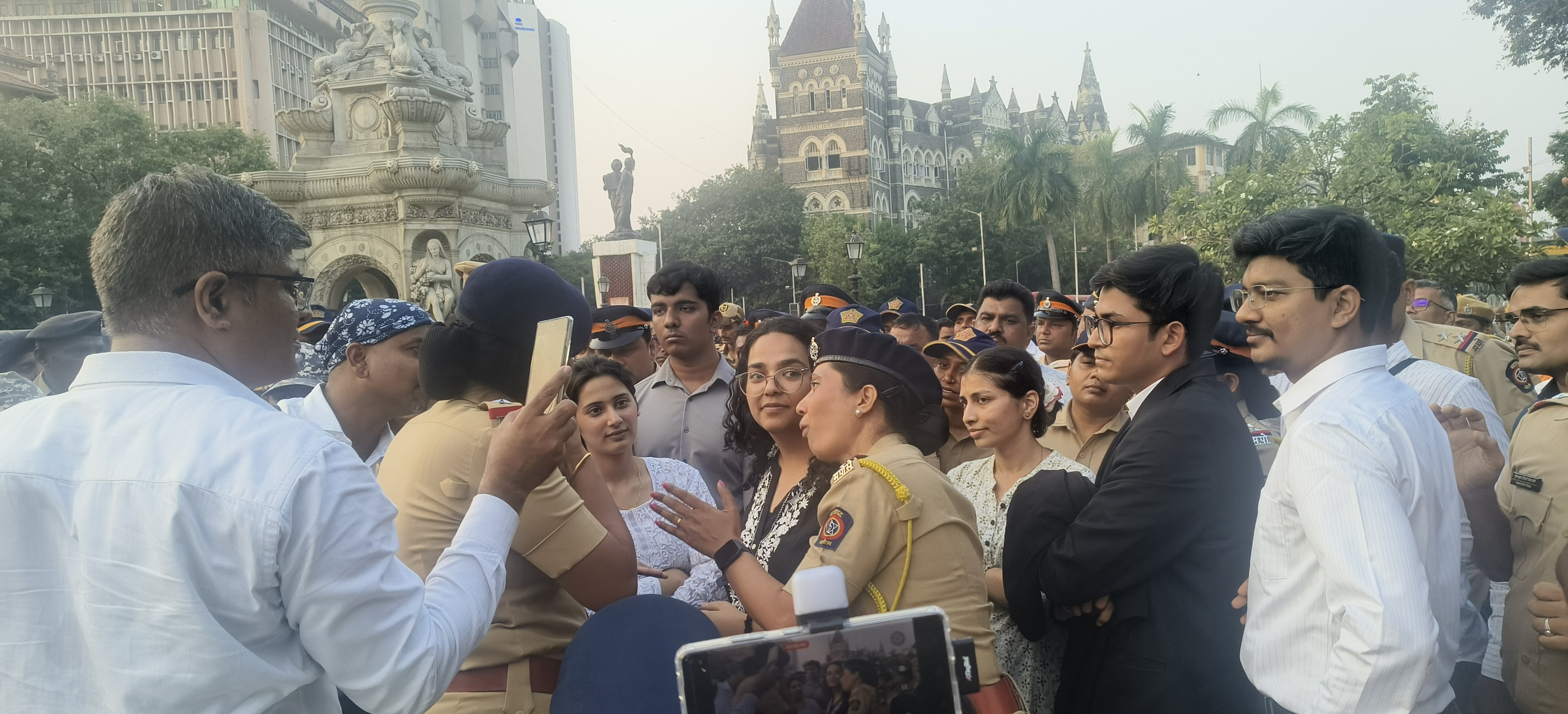
The legal machinery of western India has turned its critical gaze toward the corridors of municipal law enforcement following a deeply contentious series of public demonstrations. Petitioners approached the Bombay High Court to challenge what they characterized as arbitrary and sweeping police detentions enacted during the recent anti-CEC protests across Mumbai. The resultant judicial summons directed at the state government marks a significant procedural check on executive authority, demanding a rigorous defense of actions that critics argue trampled upon guaranteed freedoms of assembly and expression.
At the heart of the litigation lies a fundamental friction between the imperatives of maintaining public order and the preservation of constitutional rights within a dense urban metropolis. Law enforcement agencies in Maharashtra have increasingly relied on preemptive detentions to sterilize protest zones, a strategy that legal scholars argue bypasses standard due process protections and creates a chilling effect on political dissent. The High Court's demand for a comprehensive state response strips away the routine administrative shielding that police officials typically enjoy, forcing the administration to justify its tactical playbook under the uncompromising light of constitutional jurisprudence.
Should the judiciary find merit in the allegations of illegal confinement, the ruling could establish a precedent that fundamentally alters how Mumbai Police manage civil unrest. Beyond the immediate legal exposure for individual officers involved in the detentions, the case serves as a warning to administrative bodies across the country regarding the limits of state coercion. The downstream consequence will likely be a more cautious approach to crowd control, compelling police departments to prioritize proportional responses over indiscriminate preventive roundups.
Comments 0