Legislative Storm Approaches as Russian Sanctions Bill Advances With India Tariff Clauses
A major legislative hurdle has been cleared in Washington for a restrictive sanctions package targeting Russian trade partners. The proposed statute introduces severe tariff escalations that directly threaten bilateral commerce with New Delhi.
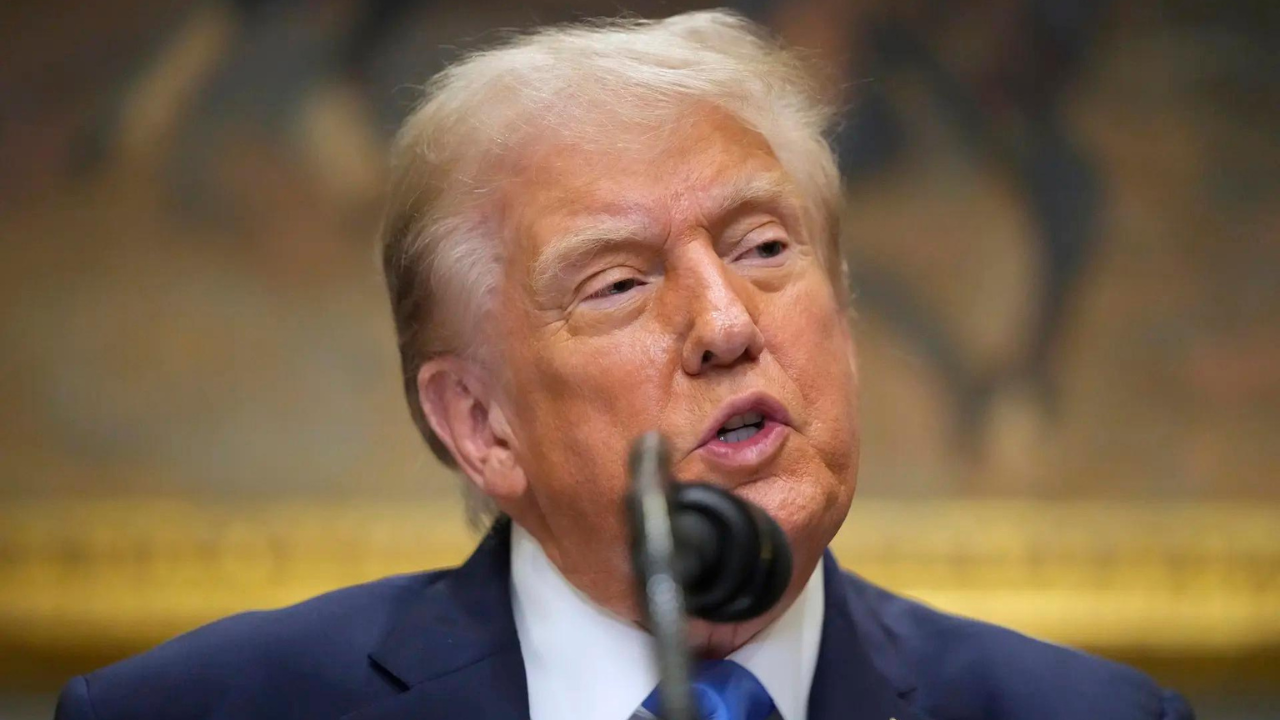
The legislative machinery in Washington has propelled a contentious sanctions bill past a critical committee barrier, bringing proposed punitive trade measures closer to a final floor vote. At the center of the controversy sits a provision threatening sweeping tariff hikes of up to one hundred percent on nations maintaining robust economic ties with Moscow. For export-driven sectors across the subcontinent, the impending congressional showdown represents an immediate external shock to long-standing trade agreements. Diplomatic channels between Washington and New Delhi are currently working in overdrive to interpret the statutory language and mitigate the impending damage. Policy analysts point out that while the executive branch often retains waiver authorities, the congressional push reflects escalating bipartisan impatience regarding secondary sanctions enforcement. Indian trade negotiators find themselves cornered between sovereign strategic autonomy and the harsh calculus of western import levies. Should the legislation clear the House without amendments exempting allied emerging economies, industrial manufacturers and agricultural exporters will bear the brunt of the immediate cost surge. Supply chains will require rapid realignment to absorb compressed margins, while sovereign debt markets could experience volatility as foreign portfolio investors re-evaluate regional risk premiums.
Comments 0