Lexical Anxiety Crowns 'Human' as Cambridge Dictionary Word of the Year Amid Artificial Intelligence Surge
Amid accelerating anxieties regarding algorithmic displacement and synthetic media, the Cambridge Dictionary has designated 'human' as its word of the year for 2026. The selection reflects a profound cultural preoccupation with preserving organic authenticity in professional and creative spheres.
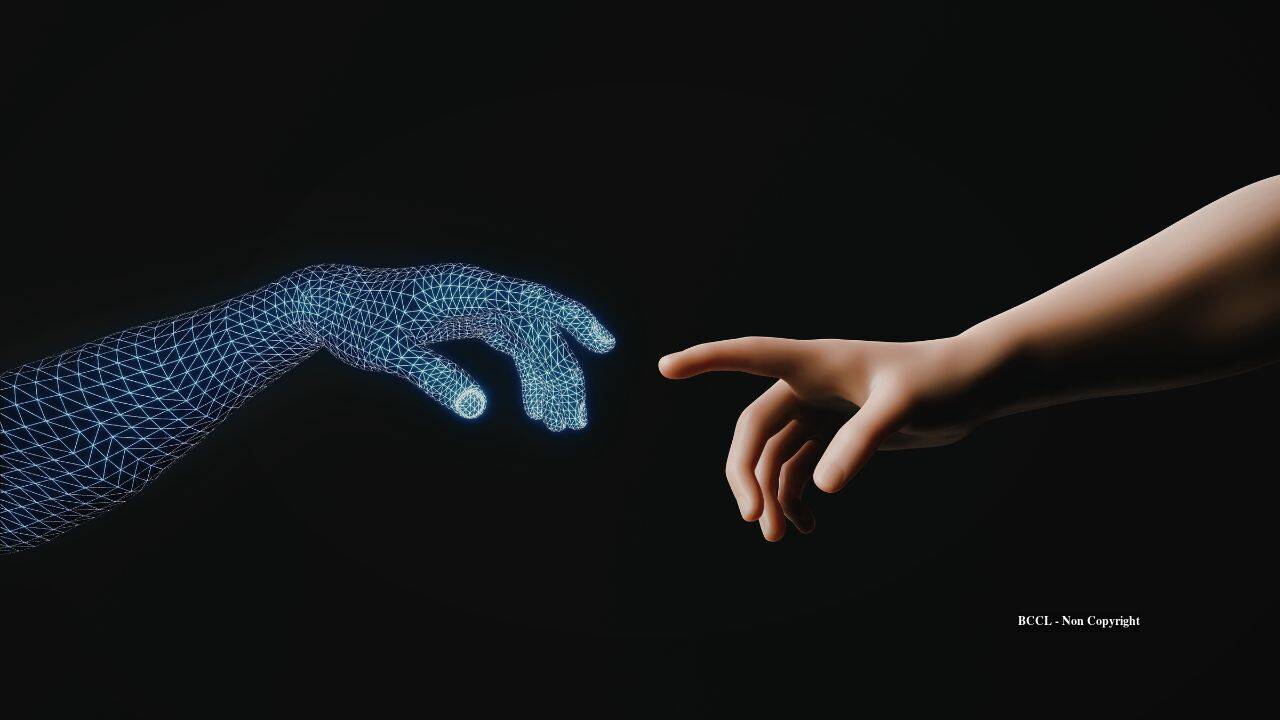
Language often serves as an accurate barometer of societal neurosis, and the linguistic choices of lexicographers capture the prevailing zeitgeist of an era. The selection of 'human' by the Cambridge Dictionary marks a collective cultural turn inward, driven by the rapid ubiquity of automated intelligence systems. As machine-generated text and synthetic imagery saturate daily communication, the innate qualities of biological existence have become subjects of conscious preservation rather than assumed constants.
Educational institutions and corporate entities alike grapple with the erosion of verifiable authorship in academic submissions and artistic production. The search volume spikes for the term 'human' correlate directly with workforce apprehensions over job security and the commodification of intellectual labor by algorithmic models. Writers, educators, and ethicists increasingly emphasize the necessity of verifying human agency in a world overflowing with synthetic replication.
The downstream impact of this lexical choice manifests in institutional policies requiring explicit disclosures of non-artificial origins in creative and legal works. Trust models are shifting toward credentialing organic labor, creating a premium for authenticity across publishing, art, and corporate governance. Ultimately, the designation captures a civilization defining its value proposition against the backdrop of its own technological creations.
Comments 0