Lift Crash in Nalasopara Exposes Critical Safety Gaps in Mumbai
A high-speed lift crash in a seven-storey building in Nalasopara has left eight people seriously injured, raising urgent questions about the enforcement of safety regulations in Mumbai's aging residential infrastructure. The incident highlights the systemic risks posed by inadequate maintenance and the lack of regular inspections in the city's housing stock.
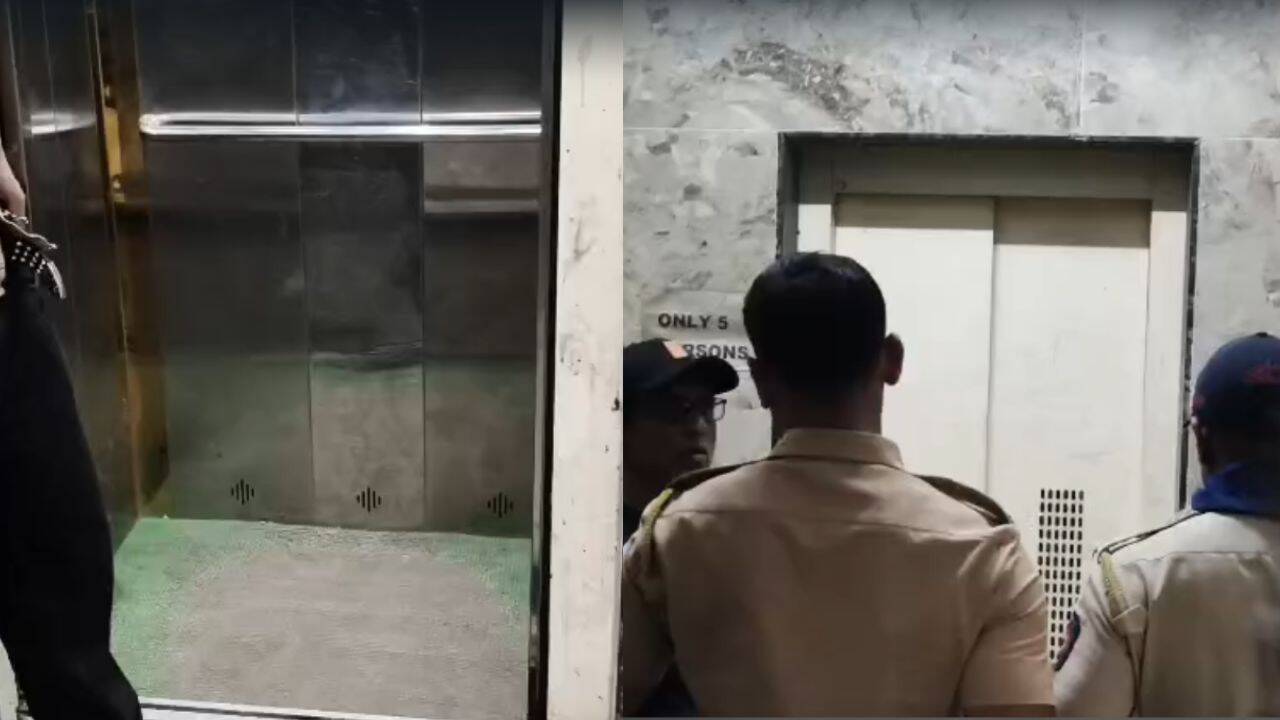
The crash of a lift in a seven-storey building in Nalasopara, Mumbai, has resulted in serious injuries to eight individuals, a tragedy that underscores the persistent safety hazards in the city's residential buildings. The incident, which occurred at high speed, points to a failure in the maintenance and inspection protocols that are supposed to ensure the safe operation of such equipment. The immediate shockwave is a renewed public demand for stricter enforcement of safety regulations, particularly in older buildings where the infrastructure is more prone to failure. The incident has also raised questions about the accountability of building owners and the municipal authorities responsible for overseeing these inspections.
The underlying tension is between the rapid urbanization of Mumbai and the slow pace of infrastructure maintenance. The institutional friction is evident in the lack of a robust system for tracking and enforcing compliance with safety standards. Many buildings in Mumbai are decades old, and the cost of maintaining and upgrading their infrastructure is often prohibitive for the residents. This creates a situation where safety is compromised in the name of economic necessity, a trade-off that has tragic consequences when failures occur. The municipal authorities have been criticized for their inability to keep up with the city's growth, leading to a backlog of inspections and a lack of resources for enforcement.
The downstream consequences of this incident are likely to be a push for more stringent safety regulations and a greater emphasis on preventive maintenance. The tangible outcome is a heightened awareness of the risks associated with aging infrastructure, which may lead to increased investment in building upgrades and safety systems. The 12-month structural consequence is likely to be a shift in the regulatory framework, with a greater focus on regular inspections and the use of technology to monitor the condition of building systems. This will require a significant increase in funding and a change in the culture of compliance among building owners and residents.
Comments 0