LNG Tankers Resume Strait of Hormuz Transits as Qatar and UAE Confront Severe Supply Pressures
Liquefied natural gas carriers have resumed voyages through the critical Strait of Hormuz alongside offshore ship-to-ship transfers. Energy producers in the Persian Gulf are moving aggressively to mitigate regional supply bottlenecks.
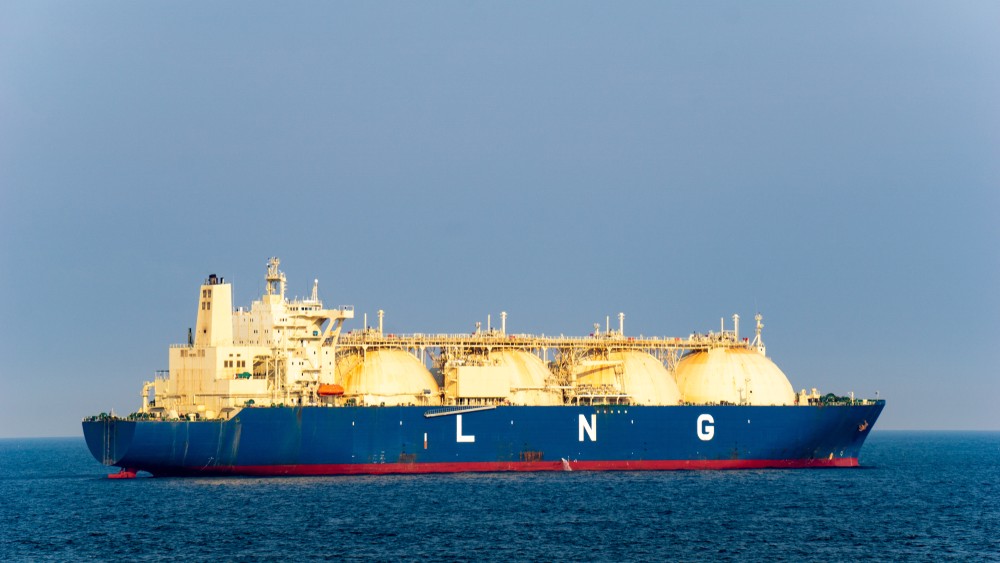
The resumption of liquefied natural gas carrier movements through the Strait of Hormuz signals a calculated push by Middle Eastern energy exporters to bypass escalating maritime anxieties. Vessel-tracking data indicates that multiple carriers successfully negotiated the narrow channel while others executed offshore transfers near Oman. This tactical adaptation stems directly from mounting global delivery pressures and regional supply crunches affecting key Asian and European markets. The strategic imperative to keep cargo moving highlights the fragility of maritime energy chokepoints in the modern global economy. Qatar and the United Arab Emirates rely heavily on uninterrupted passage through these waters to maintain their contractual commitments and market share. When geopolitical friction threatens these aquatic corridors, state energy boards and private logistics operators face immense pressure to adapt their shipping routes dynamically. The immediate consequence is a temporary stabilization of spot-market delivery schedules, averting severe price spikes for importing nations. However, the reliance on risky maritime maneuvers and offshore transfers underscores the lingering vulnerability of international supply chains. Insurers and vessel captains continue to demand higher risk premiums, embedding persistent structural costs into every thermal unit delivered to destination ports.
Comments 0