Logistics and Devotion Collide During Patna Rituals
State authorities in Bihar have deployed extensive security and traffic rerouting measures ahead of the annual Pitripaksh Mela. The massive influx of pilgrims requires rigorous administrative oversight to prevent logistical collapse along holy riverbanks.
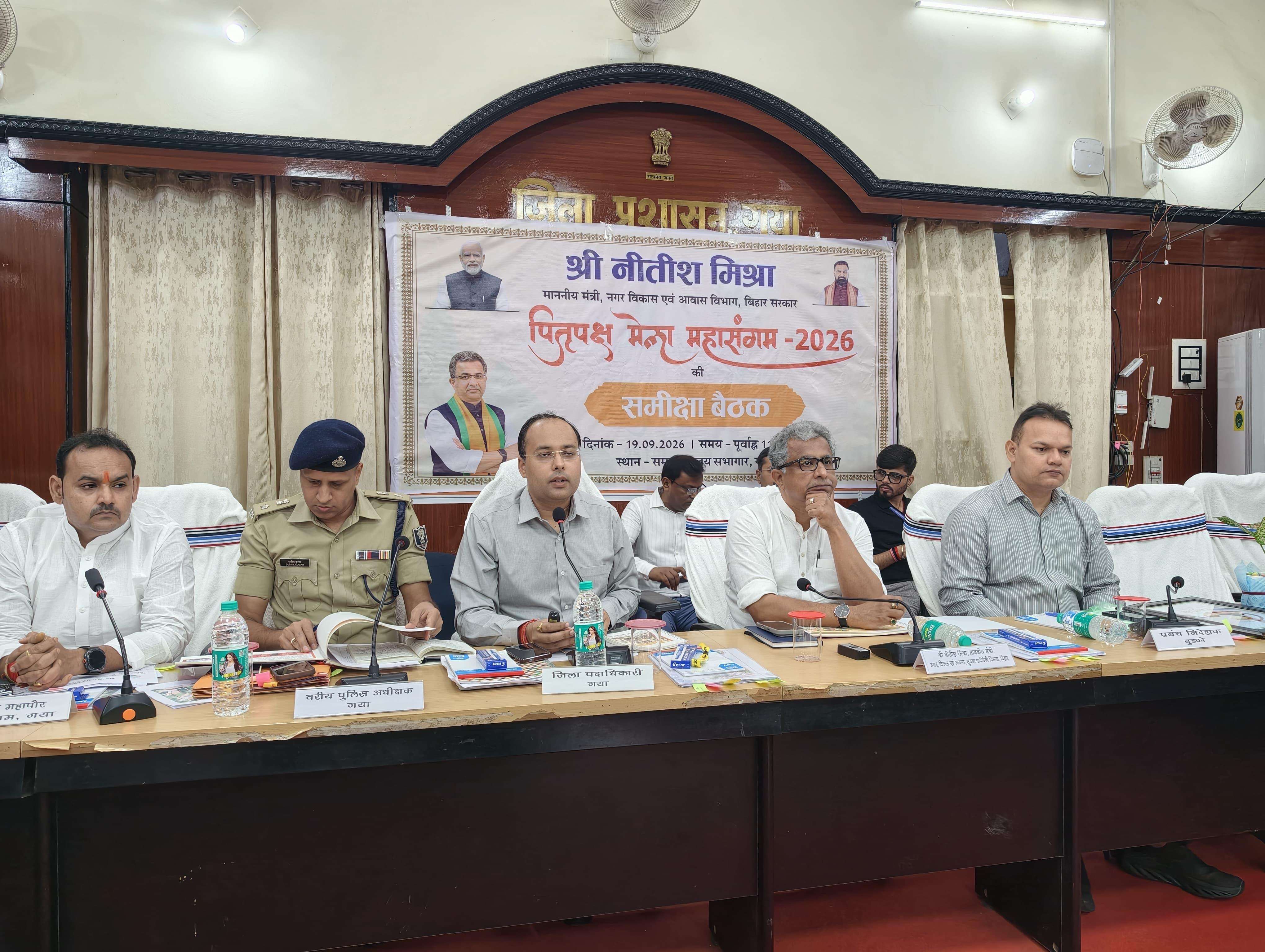
The municipal administration of Patna has activated emergency protocols to manage the immense human tide arriving for the sacred Pitripaksh Mela. Senior ministers personally inspected transit hubs and ritual sites to ensure that crowd control barriers, medical tents, and parking zones function without friction. Millions of devotees are expected to converge on the region to perform ancestral rites, testing the endurance of municipal infrastructure to its absolute limit. The underlying tension highlights the chronic friction between ancient religious traditions and modern urban capacity. Managing millions of temporary visitors requires coordinating police forces, sanitation departments, and railway authorities under compressed timelines. Any administrative lapse threatens not only public safety but also the economic livelihood of local vendors who depend heavily on the festival season for annual income. The tangible outcome of these preparations will dictate public perception of state governance efficiency during high-pressure events. Successful execution will reinforce administrative competence, while logistical bottlenecks threaten immediate political fallout. Local businesses stand to gain substantial revenue, provided the transit corridors remain open and accessible throughout the multi-day observance.
Comments 0