Lonar Meteorite Crater Joins Global Geological Heritage Registry
India’s Geological Survey placed the Lonar impact structure on the UNESCO‑approved global geological heritage map, recognizing its scientific significance. The designation is expected to boost research interest and tourism while demanding conservation measures.
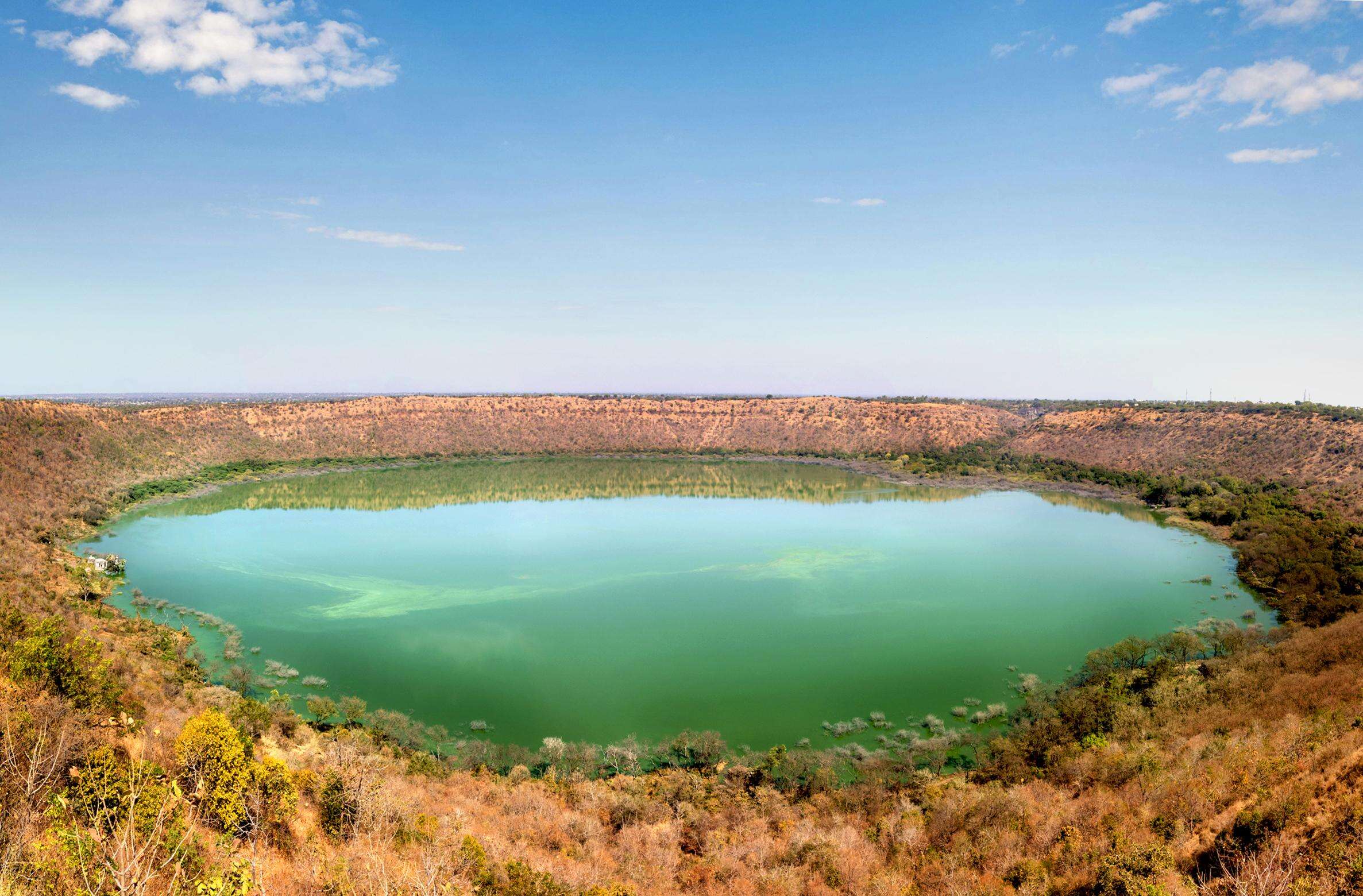
The Geological Survey of India announced that the Lonar crater, a rare saline‑water impact site formed 50,000 years ago in Maharashtra, has been inscribed on the International Union of Geological Sciences’ global heritage list. The crater, spanning three kilometres in diameter, is one of only a handful of confirmed meteorite impact structures on Earth that contain both basaltic and saline lake sediments, offering a unique window into planetary processes.
Scientists worldwide have lauded the recognition, noting that the site provides invaluable data on shock metamorphism, mineral formation, and post‑impact ecological succession. The heritage status is expected to attract multidisciplinary research teams, ranging from geochemists to astrobiologists, eager to study the crater’s preserved layers. Concurrently, state tourism officials have outlined plans to develop visitor facilities, guided tours, and educational signage, aiming to transform Lonar into a flagship geotourism destination.
Conservationists caution that increased footfall must be managed carefully to prevent degradation of the fragile ecosystem surrounding the crater’s saline lake. The government has pledged to implement strict environmental safeguards, including regulated access zones and continuous monitoring of water quality. Over the next year, the site may become a hub for international collaborations, positioning India as a leader in impact‑crater research.
Comments 0