Madras High Court bars private employers from demanding caste data on applications
The Madras High Court ruled that private firms and educational institutions cannot compulsorily request caste information in job or admission forms. The judgment reshapes hiring practices across Tamil Nadu and may influence similar litigation elsewhere in India.
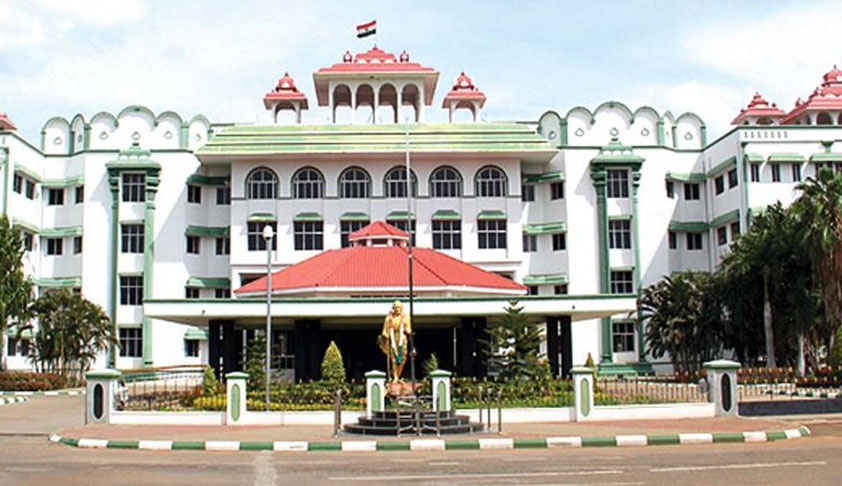
The concrete rupture arrived when a division of the Madras High Court issued an order prohibiting private employers and schools from mandating caste details on application paperwork. The bench emphasized that such requirements infringe upon constitutional guarantees of equality and privacy, directing institutions to redesign their forms accordingly. The decision immediately affected a swath of private sector recruiters and university admission boards, compelling them to revise digital and paper processes within a short compliance window.
Underlying tension stems from a long‑standing debate over affirmative action and data collection, pitting social‑justice advocates who argue for transparent caste metrics against civil‑rights groups warning of discrimination. The court’s intervention reflects growing judicial scrutiny of policies that, while intended to promote inclusion, may inadvertently entrench identity‑based profiling. Legal scholars note that the ruling could trigger a cascade of challenges to other affirmative‑action mechanisms that rely on self‑declared caste data.
Downstream casualties include a temporary slowdown in recruitment cycles as firms scramble to update forms, and a potential dip in the granularity of data used for policy formulation. Employers may resort to alternative verification methods, which could raise compliance costs and spark new disputes over privacy. Over the coming months, the judgment may inspire similar suits in other states, prompting a national conversation on the balance between social equity and individual rights.
Comments 0