Madras High Court Dismisses Criminal Case Over Critique of Chief Minister
The Madras High Court quashed a first‑information report filed against a video creator who criticised the chief minister’s post‑stampede employment scheme. The judgment reaffirmed that dissent without incitement cannot be criminalised.
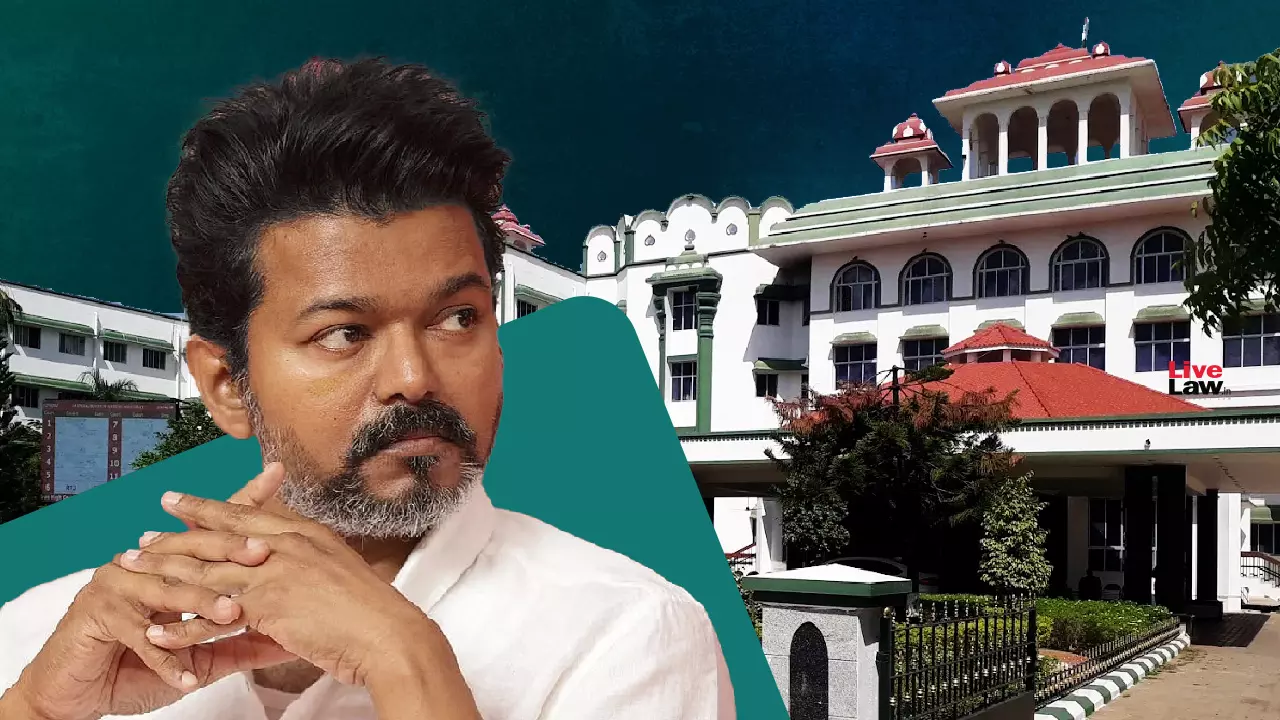
The court observed that freedom of expression is a cornerstone of democratic discourse, and that penal provisions must not be wielded to silence legitimate criticism. By dismissing the FIR, the bench sent a clear signal to law‑enforcement agencies that political commentary, even if sharp, does not automatically merit criminal prosecution. The decision arrived amid a broader national debate over the limits of free speech in the age of social media, where viral content can quickly attract legal scrutiny.
Legal experts contend that the ruling may set a precedent for future cases involving online speech, encouraging courts to scrutinise the intent behind complaints before authorising arrests. The judgment also underscores the judiciary’s role in checking executive overreach, especially in states where political leaders wield considerable influence over policing. Civil‑rights groups welcomed the verdict, viewing it as a safeguard against the chilling effect that frivolous FIRs can impose on public debate.
In the coming months, the decision could embolden activists and journalists to raise concerns about government policies without fear of immediate legal retaliation. However, it may also prompt authorities to refine the criteria for filing complaints, seeking a balance between protecting reputations and preserving open dialogue. The long‑term impact will hinge on how lower courts interpret and apply this precedent in similar disputes.
Comments 0