Madras High Court Validates Split: AIADMK Defectors' Resignations Upheld
The Madras High Court has ruled in favor of the Tamil Nadu Speaker, upholding the acceptance of resignations from AIADMK MLAs who defected to the TVK after the election. This judicial endorsement solidifies the political realignment in the state, granting legal legitimacy to the shift in legislative power and the formation of the new government.
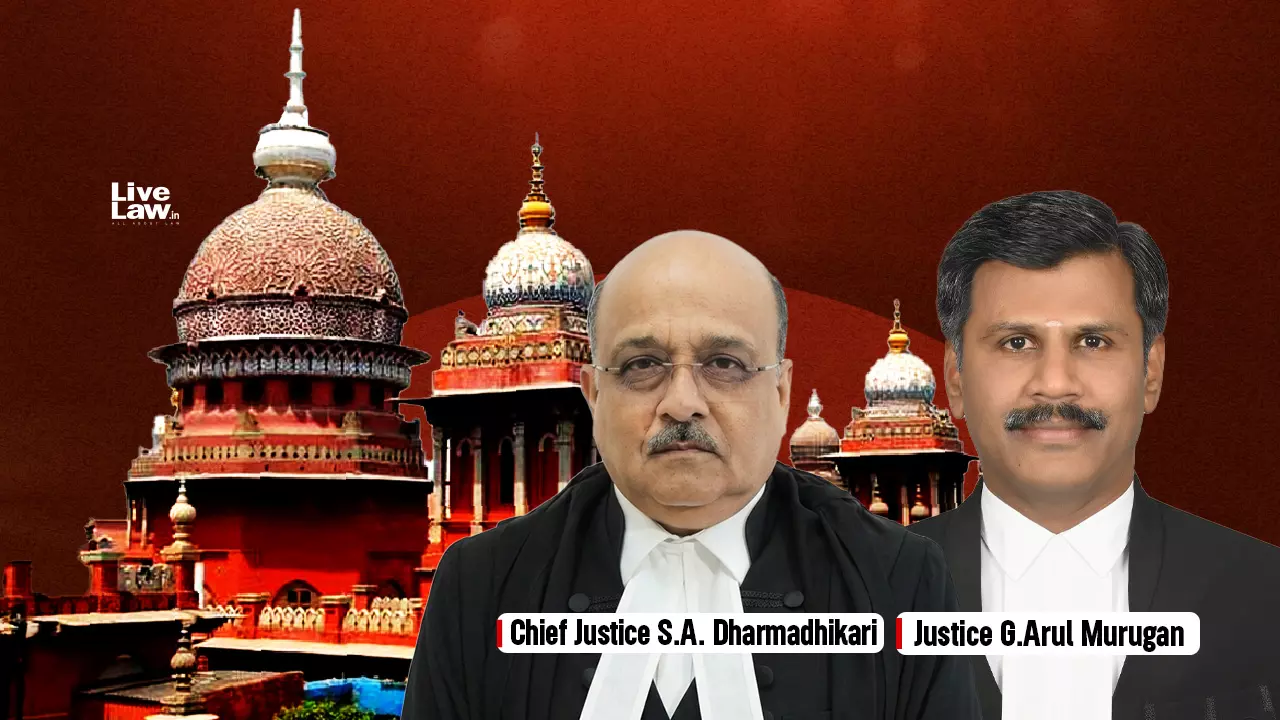
The concrete rupture is the judicial confirmation of a political schism that has reshaped the Tamil Nadu assembly. By upholding the Speaker's decision to accept the resignations of the defecting AIADMK MLAs, the Madras High Court has removed the last legal obstacle to the consolidation of the TVK-led alliance. This ruling is not merely a procedural formality; it is a definitive statement that the post-election defections are legally sound, thereby stabilizing the new government's mandate. The immediate impact is the strengthening of the ruling coalition's numerical strength and the weakening of the opposition, which loses key members to the other side.
The underlying tension lies in the complex interplay between party loyalty, electoral mandates, and the legal framework governing legislative membership. The court's decision reflects a broader trend in Indian politics where post-election alliances and defections are increasingly common, often challenging the stability of elected governments. The institutional friction here is between the principle of free choice for legislators and the expectation of party discipline. The court's ruling suggests that the legal system is willing to accommodate these shifts, provided they adhere to procedural norms, thus legitimizing the fluid nature of political alliances in the state.
The downstream consequences are significant for the political of Tamil Nadu. The AIADMK, as a major opposition party, faces a loss of strength and credibility, while the TVK alliance gains a more secure footing in the assembly. This shift may influence future electoral strategies and coalition dynamics in the state. The tangible outcome is a more stable government with a clearer mandate to implement its policies, while the opposition must regroup and reassess its position. The ruling also sets a precedent for handling similar cases in other states, potentially influencing the legal framework for political defections across India.
Comments 0