Madurai's Religious Tensions: The Court's Role in Managing Communal Friction
The court's decision to ban gatherings in Madurai while allowing a religious ceremony on a disputed hill highlights the delicate balance between religious freedom and public order. This ruling reflects the judiciary's ongoing role in managing communal tensions and maintaining social stability.
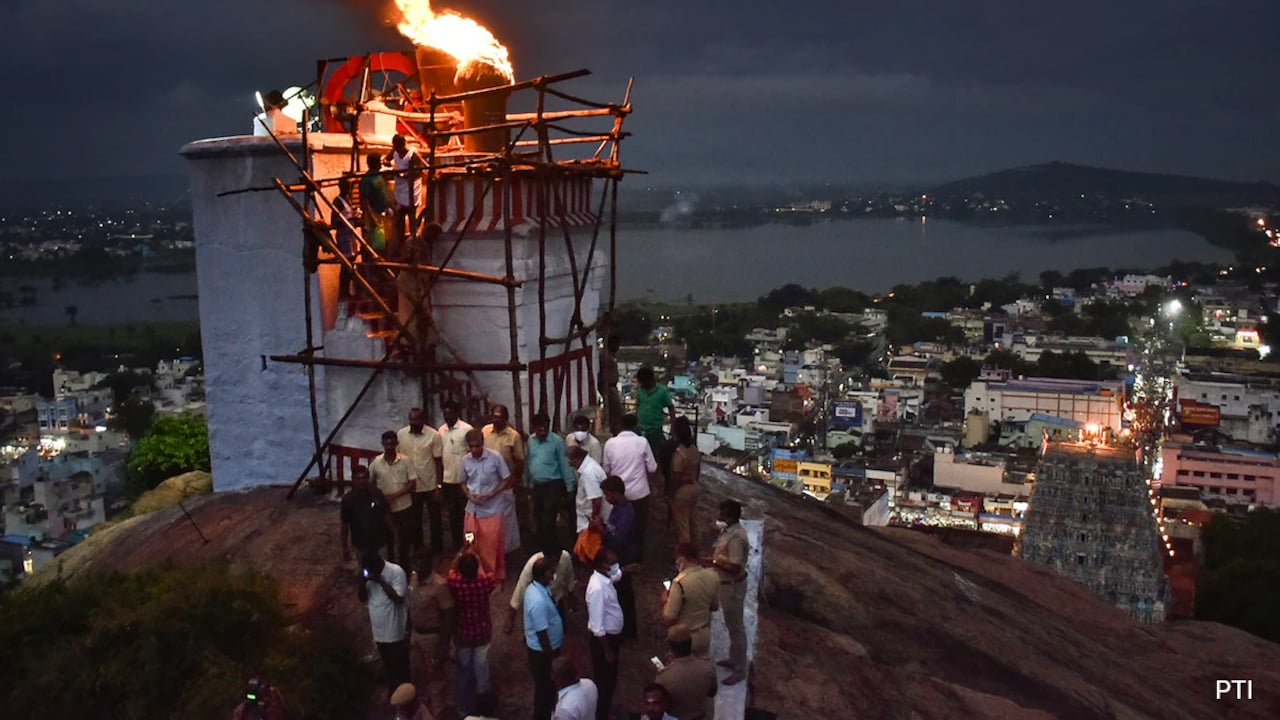
The concrete rupture is the court's intervention in a local dispute over a religious site, resulting in a ban on gatherings and the permission for a specific ceremony. This decision is a direct response to the potential for communal violence and the need to maintain public order. The court's ruling is a pragmatic approach to managing a sensitive issue, prioritizing stability over the unrestricted exercise of religious practices.
The underlying tension is the deep-seated communal friction that often underlies disputes over religious sites in India. The institutional friction here is between the right to religious freedom and the state's duty to maintain public order. The court's decision reflects a careful balancing of these competing interests, acknowledging the potential for violence while also recognizing the importance of religious expression.
The downstream impact is a temporary de-escalation of tensions, but the underlying issues remain unresolved. The tangible outcome is a continued reliance on the judiciary to manage communal disputes, which can be seen as a failure of political and social institutions to address the root causes of these tensions. This reliance on the courts may lead to a further politicization of religious issues, as political actors seek to exploit these disputes for their own gain.
Comments 0