Maharashtra Chief Minister Rejects Rumours of Sharad Pawar’s Political Exit
Maharashtra’s chief minister publicly dismissed speculation that senior leader Sharad Pawar intends to retire from politics, reaffirming the veteran’s role in the state’s coalition dynamics. The statement seeks to quell uncertainty ahead of upcoming legislative deliberations.
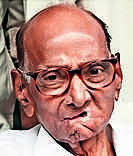
During a press conference in Pune, Chief Minister Eknath Shinde emphasized that Sharad Pawar remains an active participant in the Nationalist Congress Party’s strategic planning, noting his recent involvement in negotiations over the delimitation bill. The minister highlighted Pawar’s continued engagement with senior party officials and his presence at key policy meetings, thereby countering media narratives that suggested an imminent withdrawal from public life. The clarification was timed to coincide with a parliamentary session where the party’s stance on electoral reforms would be closely scrutinised.
The underlying friction arises from intra‑party calculations regarding power sharing and the allocation of ministerial portfolios in the wake of the upcoming state elections. Opposition leaders have leveraged the retirement rumours to question the stability of the NCP’s alliance with the ruling coalition, suggesting that Pawar’s departure could trigger a realignment of regional forces. Within the NCP, senior members have expressed divergent views, with some advocating for a generational shift while others argue that Pawar’s experience remains indispensable for navigating complex legislative negotiations.
The tangible outcome of the chief minister’s denial is a temporary restoration of confidence among NCP supporters, who view the veteran’s continued involvement as a stabilising factor. Political analysts anticipate that Pawar’s sustained presence will preserve the party’s leverage in future coalition talks, potentially influencing the distribution of key ministries. The episode also underscores the sensitivity of leadership narratives in Indian politics, where rumors can quickly reshape electoral calculations and voter sentiment.
Comments 0