Maharashtra Council Polls: A Fractured Mandate for the NDA
The Mahayuti and MVA alliances secured equal representation in the Maharashtra Legislative Council, signaling a stalemate that undermines the ruling coalition's claim to a decisive mandate. This parity forces the NDA to confront deep internal fissures within the NCP faction while the opposition consolidates its grip on the state's legislative upper house.
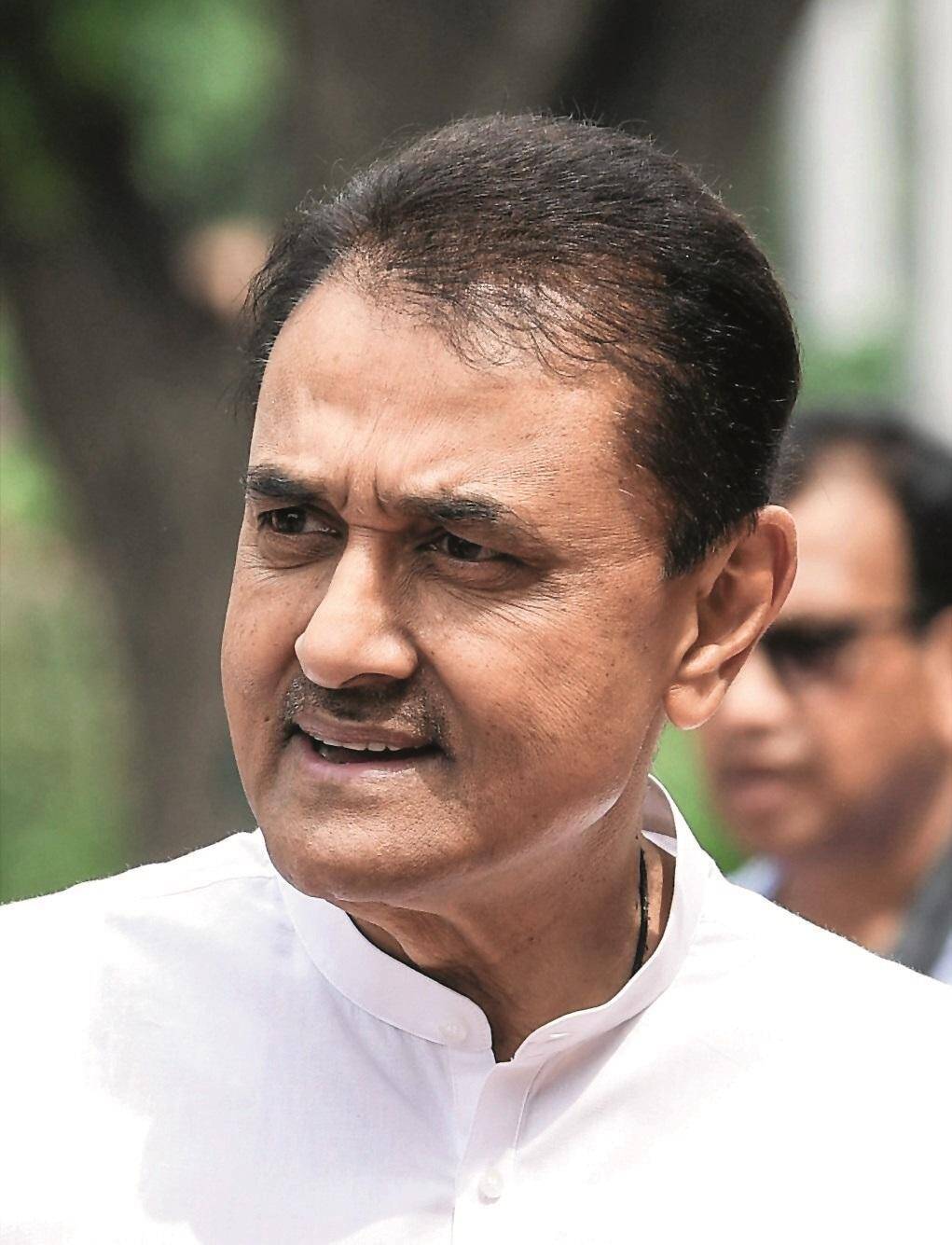
The outcome of the Maharashtra Legislative Council elections has delivered a sharp rebuke to the narrative of unassailable dominance held by the National Democratic Alliance in the state. With both the Mahayuti and the Maha Vikas Aghadi securing two seats each, the result represents a precise numerical balance that strips the ruling side of any legislative supermajority in the upper chamber. This parity is not merely a statistical tie; it is a political earthquake that complicates the passage of contentious bills and exposes the fragility of the alliance that has governed Maharashtra for the past two years.
The underlying tension stems from the inability of the NDA to convert its assembly strength into a corresponding council victory, a failure attributed to the splintering of the Nationalist Congress Party. Praful Patel's characterization of the result as a wake-up call underscores the institutional friction within the NCP, where the Sharad Pawar faction and the Ajit Pawar faction continue to pull the party in opposite directions. The Speaker's warning against misleading the public with chaos highlights the growing anxiety within the government over its capacity to project unity and control in the face of a fragmented opposition that is now equally matched in the council.
The tangible outcome is a legislative gridlock that will likely prolong debates on key economic and social legislation, forcing the government to rely on executive orders or defer critical reforms. For the NCP, the result validates the strategic value of maintaining a distinct identity from the BJP, while for the MVA, it offers a platform to challenge the government's policies with renewed vigor. The downstream effect is a weakened state government that must now navigate a more adversarial legislative environment, potentially impacting its ability to implement its flagship development projects and manage the state's complex political ecology.
Comments 0