Maharashtra Launches 13-Member Panel to Revive Sugar Industry
The state government has set up a committee to overhaul the sugar sector’s financial model, aiming to lift the industry out of debt and restore profitability. The initiative could stabilize rural economies and reduce dependence on external credit.
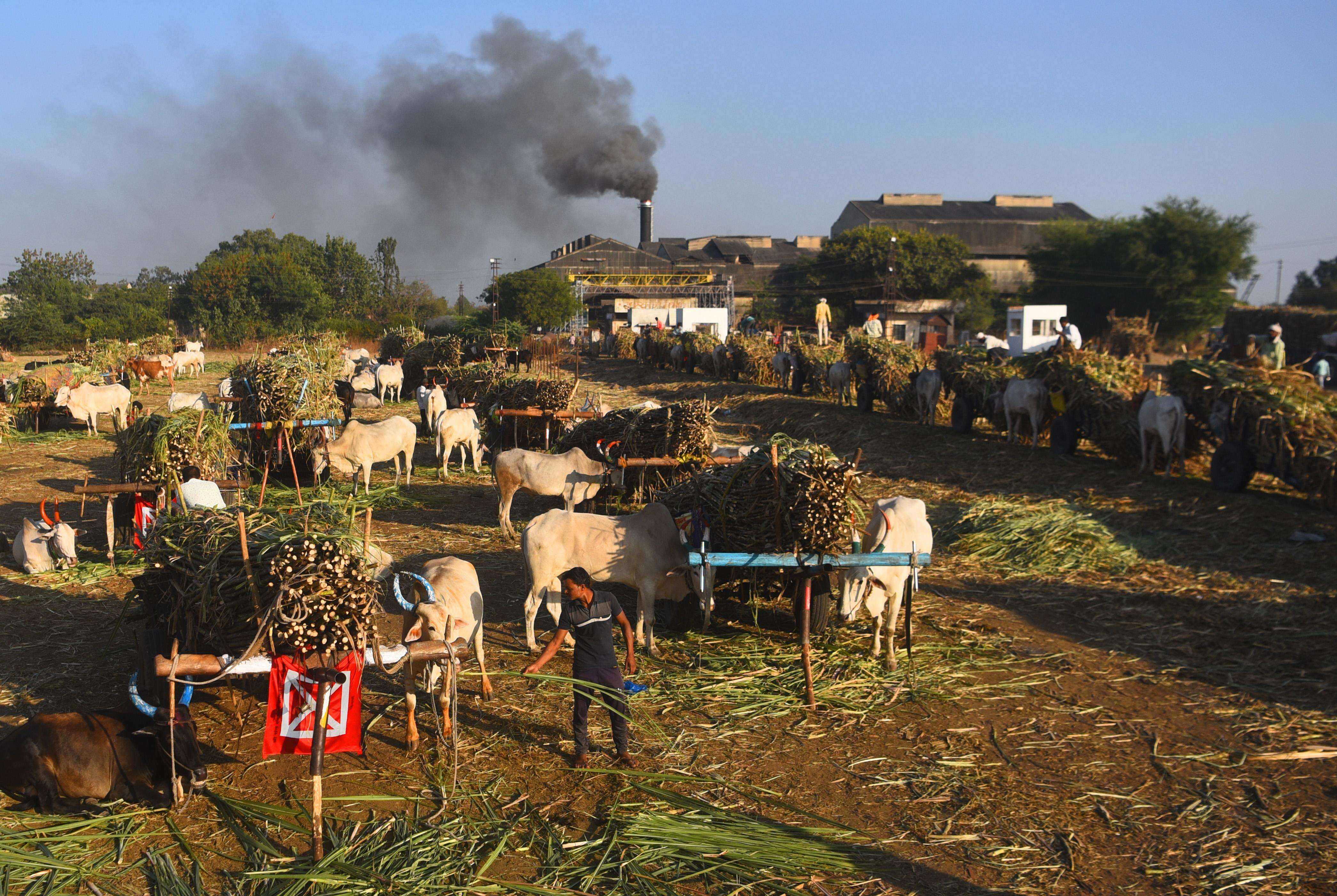
The sugar sector in Maharashtra has been mired in debt since the early 2020s, with over 80% of the state’s sugar mills reporting losses that have eroded the livelihoods of thousands of farmers and mill workers. In response, the state government has convened a 13‑member committee tasked with revamping the financial model of the industry, a move that follows a series of failed attempts to secure state‑backed loans and subsidies. The committee’s mandate includes reviewing pricing mechanisms, debt restructuring plans, and the allocation of government support to ensure the sector’s long‑term viability.
The underlying tension between mill owners, farmers, and the government has been exacerbated by fluctuating sugar prices, rising input costs, and a lack of transparent pricing for raw sugarcane. Farmers have protested against low cane prices, while mill owners argue that higher input costs are unsustainable. The government’s role has been to mediate these disputes, but limited fiscal space and competing priorities have hampered decisive action, leading to a cycle of default and renegotiation that has destabilised the sector.
The downstream casualties of the committee’s recommendations will likely include a restructuring of debt that could reduce the default rate among mills, thereby stabilising rural economies and preventing further job losses. However, if the committee fails to secure adequate funding or enforce transparent pricing, the industry could face continued financial distress, leading to closures and a sharp decline in sugar production. The ripple effect would extend to related sectors such as ethanol production, agricultural input suppliers, and local markets that depend on the sugar industry’s economic health.
Comments 0