Maharashtra Launches Statewide Audit of Anganwadi Centres
The Maharashtra government has ordered a comprehensive inspection of all anganwadi facilities across the state. The move aims to verify compliance with nutrition, health and early‑education standards.
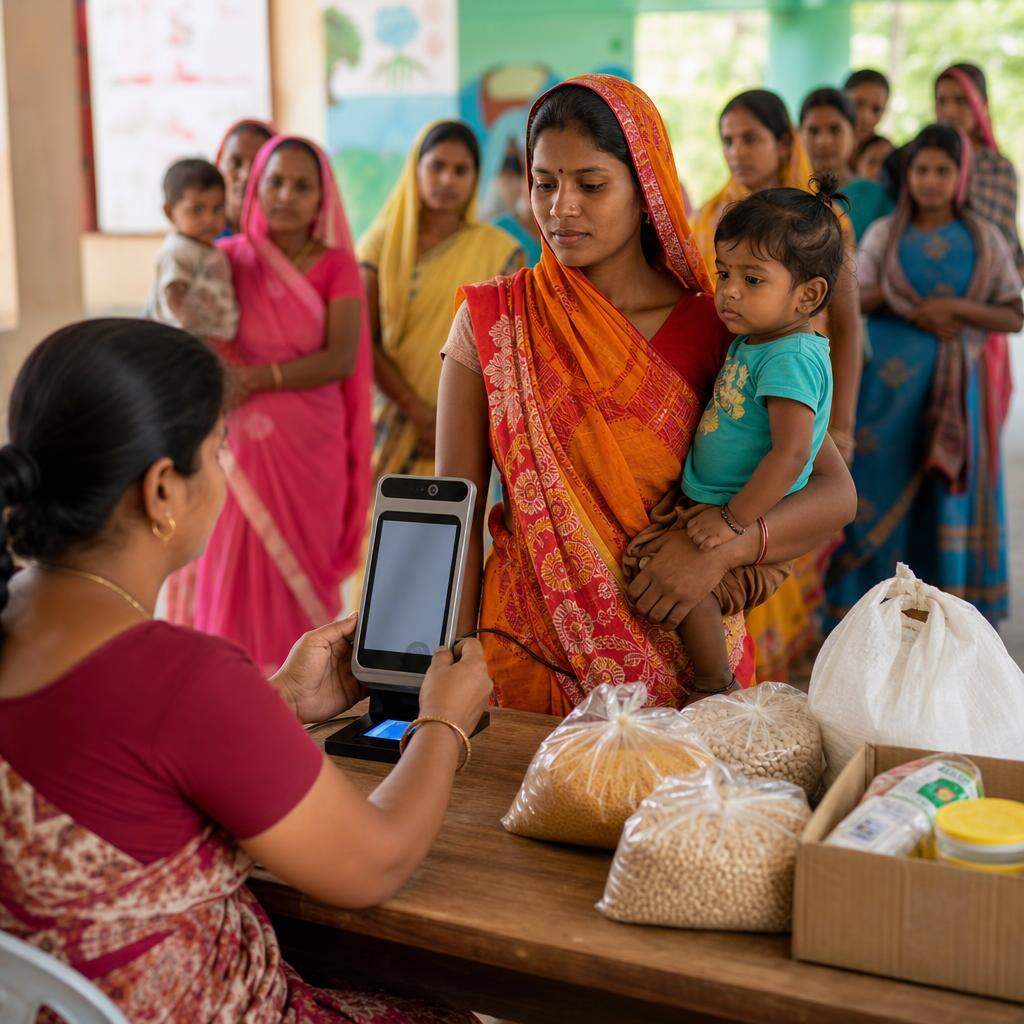
The concrete rupture in this development is the issuance of an official directive by Maharashtra’s social welfare department mandating a systematic audit of every anganwadi centre, from bustling urban sites in Pune to remote villages in the Vidarbha region. Inspectors are tasked with evaluating infrastructure integrity, food storage practices, staff qualifications and record‑keeping accuracy. The order follows a series of media reports alleging irregularities in meal distribution and attendance tracking, prompting the state to act decisively to safeguard the welfare of millions of children.
Underlying tension originates from longstanding concerns about the efficacy of the anganwadi system, which forms the backbone of India’s early‑childhood nutrition and health programme. Budgetary constraints, delayed salary payments and uneven training have historically hampered service delivery. The Maharashtra administration has responded by allocating additional funds for capacity‑building workshops, introducing digital monitoring tools and establishing a grievance redressal mechanism for parents. Coordination with the central Ministry of Women and Child Development is also being strengthened to ensure alignment with national guidelines.
The downstream consequences are expected to be significant for both beneficiaries and the state’s public‑health metrics. Early detection of non‑compliance could trigger corrective actions that improve meal quality, reduce malnutrition rates and enhance immunisation coverage. Moreover, transparent reporting may restore public confidence, encouraging higher enrolment and community participation. The audit’s findings will likely inform policy revisions and could serve as a benchmark for other Indian states seeking to modernise their anganwadi networks.
Comments 0