Mumbai’s Mangrove Loss Threatens Coastal Fisheries
A new study reveals that Mumbai has lost 18.9 square kilometers of mangroves over the past 18 years, severely impacting the nurseries that support local fish populations. This ecological degradation poses a direct threat to the livelihoods of coastal communities and the city’s resilience against rising sea levels.
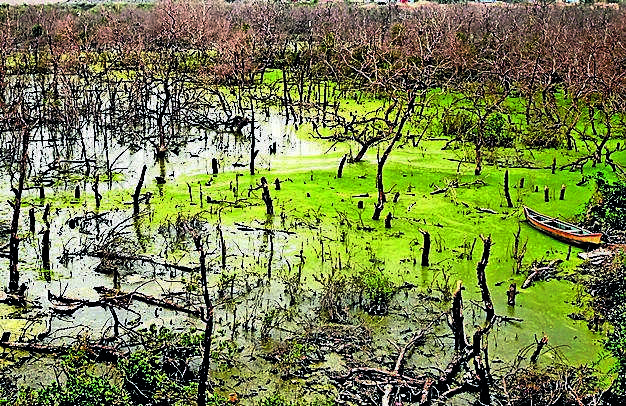
The concrete rupture in Mumbai’s coastal ecology is the documented loss of 18.9 square kilometers of mangrove forests since 2005. These ecosystems, which serve as critical buffers against storm surges and as breeding grounds for commercial fish species, have been steadily encroached upon by urban development and industrial activity. The study highlights a direct correlation between this loss and the declining catch rates in local fisheries, indicating that the city’s economic reliance on its coast is being undermined by its own expansion.
The underlying tension is the conflict between rapid urbanization and environmental preservation. Mumbai’s real estate market and infrastructure projects often prioritize land reclamation and construction, viewing mangroves as obstacles rather than assets. Institutional friction arises from the lack of enforcement of coastal regulation zones, allowing developers to exploit loopholes in environmental clearances. This systemic failure reflects a broader disconnect between policy intent and on-ground reality in India’s most populous metropolitan area.
The downstream casualties are the fishing communities who face diminishing incomes and increased vulnerability to climate events. The tangible outcome is a heightened risk of coastal erosion and flooding, which will likely drive up insurance costs and public expenditure on disaster management. This ecological debt will force a re-evaluation of Mumbai’s urban planning strategies, potentially leading to stricter enforcement of coastal protection laws and a shift towards nature-based solutions for infrastructure resilience.
Comments 0