Maharashtra Leads National Renewable Energy Push with 7,000 MW Solar Capacity for Farmers
Maharashtra has secured a national award for its renewable energy initiatives, having commissioned 7,000 MW of solar capacity specifically for agricultural use. This achievement underscores the state's commitment to integrating clean energy into its agricultural sector, a move that could transform rural energy access.
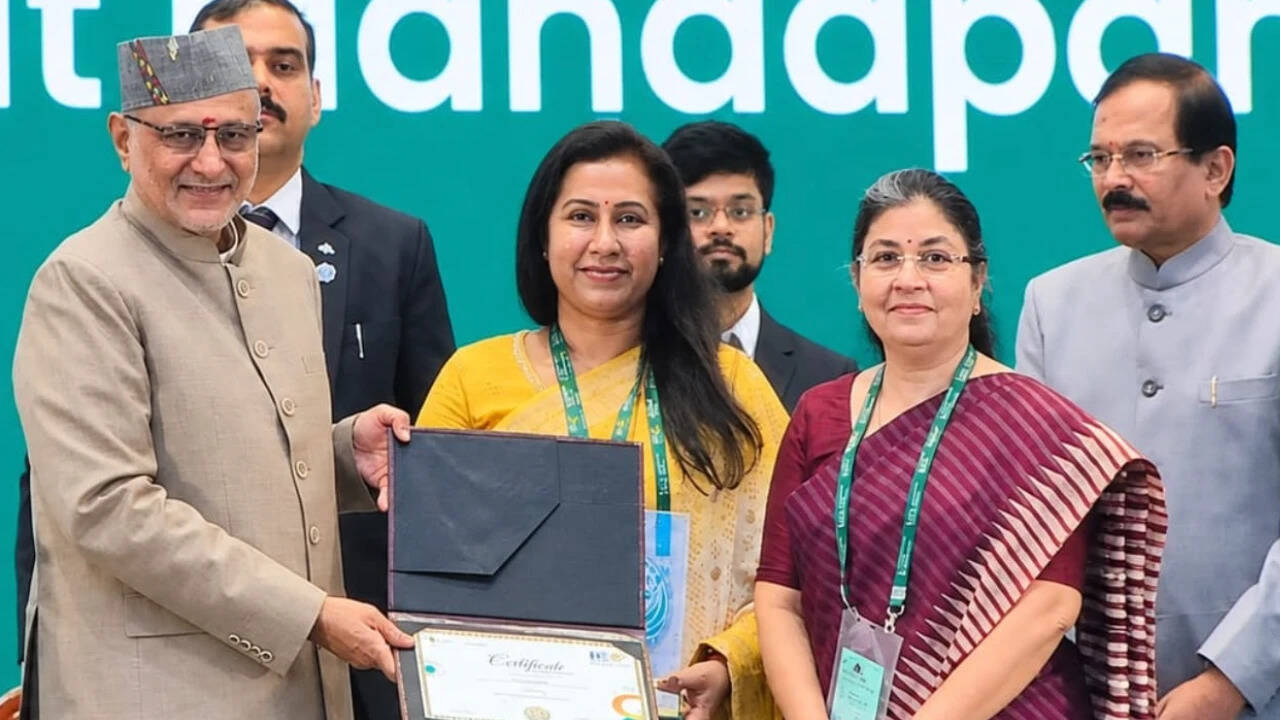
Maharashtra has been recognized as the second-ranked state in the Renewable Energy State Assessment Framework for 2025-26, a to its aggressive push towards clean energy adoption. The state has already commissioned 7,000 MW of solar capacity, a significant portion of which is dedicated to powering agricultural activities. This initiative aims to reduce the reliance on fossil fuels in the farming sector, lowering costs for farmers and reducing the environmental footprint of agriculture.
The underlying tension in this transition is the need to balance the economic viability of solar power with the immediate energy needs of farmers. The state government has invested heavily in infrastructure to support this shift, including the installation of solar pumps and the development of microgrids in rural areas. This effort is part of a broader national strategy to achieve energy independence and reduce carbon emissions, with Maharashtra playing a leading role in this endeavor.
The tangible outcome of this initiative is a more resilient and sustainable agricultural sector in Maharashtra. Farmers are now able to access reliable and affordable energy, which can improve crop yields and reduce operational costs. This shift also has broader implications for the state's energy grid, as the increased solar capacity helps to stabilize supply and reduce peak demand. The success of this model could serve as a blueprint for other states looking to integrate renewable energy into their agricultural practices.
Comments 0