Maharashtra’s PMRDA Threatens to Abandon TP Projects Without Farmer Backing
The Pune Metropolitan Region Development Authority announced it will halt certain township projects if at least half of the local farmers and gram panchayats oppose them. The stance underscores rising rural resistance to urban expansion plans.
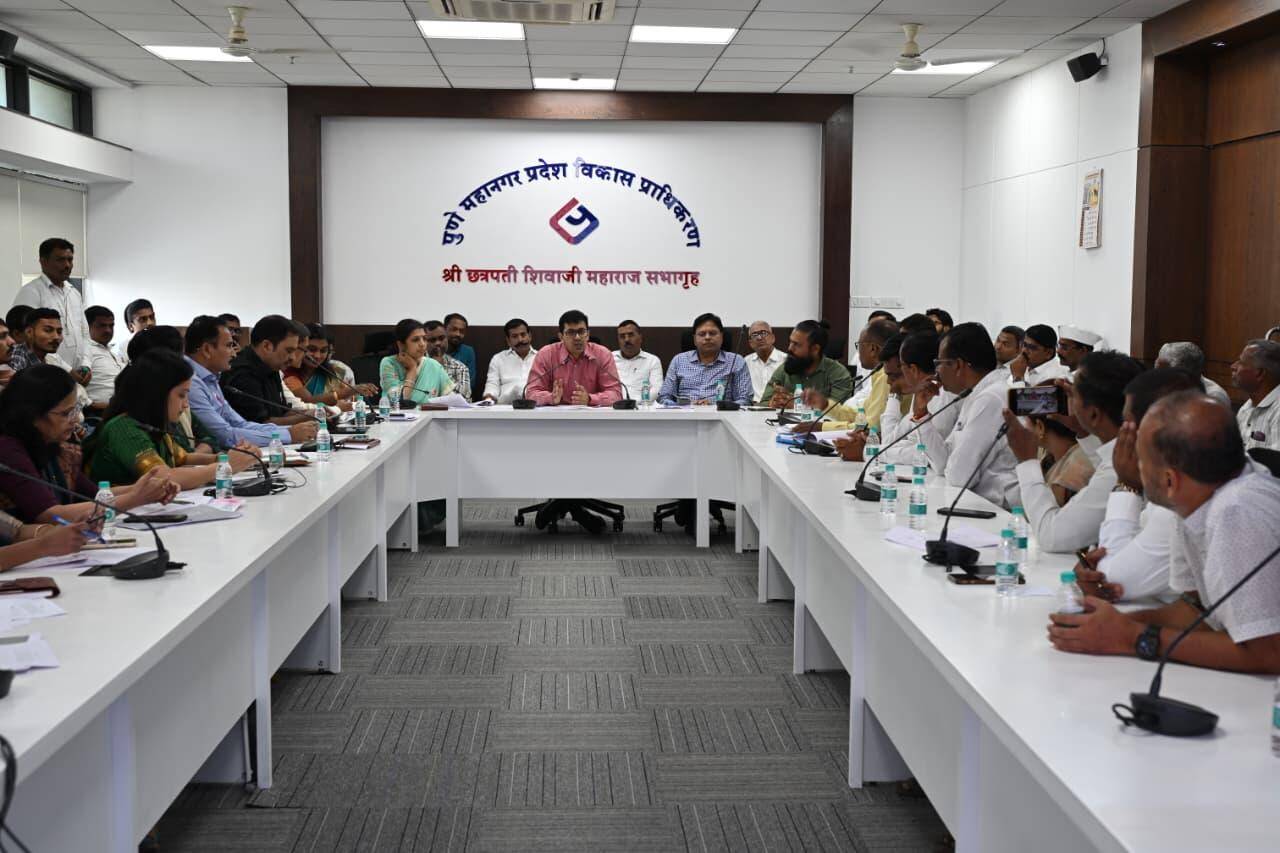
The concrete rupture was signaled when PMRDA officials issued a public notice stating that any township (TP) scheme lacking the consent of fifty percent of the affected farming community and their governing gram panchayats would be scrapped. The declaration came after a series of protests in villages slated for land acquisition, where farmers demanded higher compensation and assurances of livelihood security. By tying project viability to community approval, the authority introduced a new variable into its development calculus, potentially reshaping the trajectory of several multi‑billion‑rupee urbanization initiatives.
Underlying tension stems from the clash between rapid urban growth ambitions and the preservation of agrarian livelihoods. State government ministries have been caught between encouraging investment in infrastructure and addressing the grievances of a constituency that forms the backbone of Maharashtra’s food supply. Legal experts note that the requirement for farmer consent could set a precedent for future land‑use negotiations, prompting other regional bodies to adopt similar community‑engagement frameworks. Meanwhile, real‑estate developers have expressed concern over the uncertainty such a policy introduces into project timelines and financing structures.
Downstream casualties include a slowdown in the rollout of housing and commercial complexes that were earmarked to accommodate the expanding workforce of Pune’s tech corridor. The potential pause may also affect ancillary industries, such as construction materials suppliers and logistics firms, which had anticipated a surge in demand. Conversely, the policy could empower farmer collectives to negotiate more favorable terms, potentially leading to a re‑balancing of power between rural stakeholders and urban planners, and influencing the shape of Maharashtra’s development agenda over the coming year.
Comments 0